Skip to main content
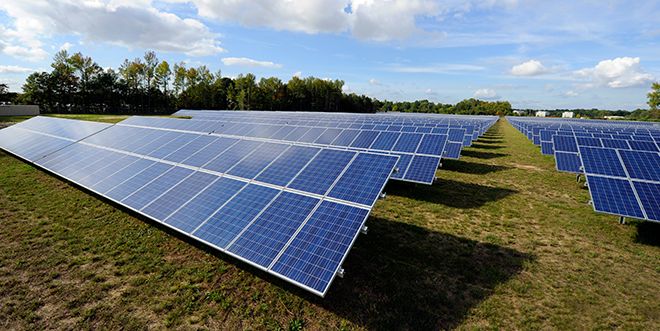
Rows of solar panels stretching across open land are becoming increasingly familiar. Solar farms make it possible to capture sunlight on a larger scale and turn it into electricity that can serve homes, businesses, and communities.
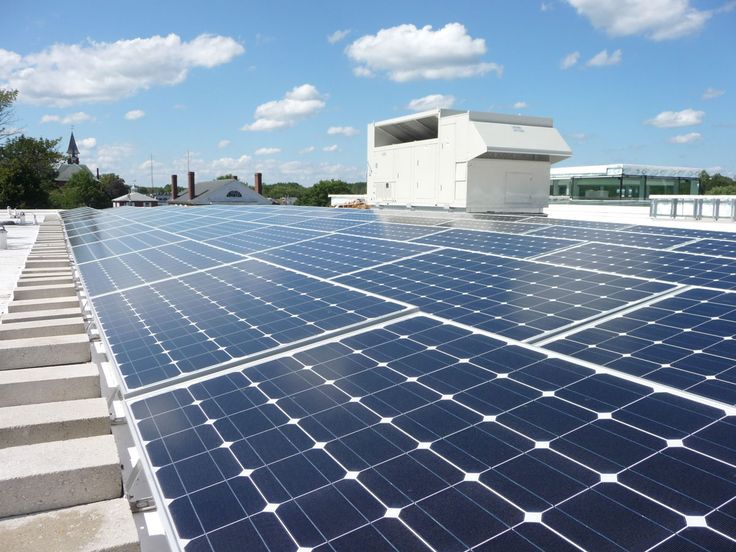
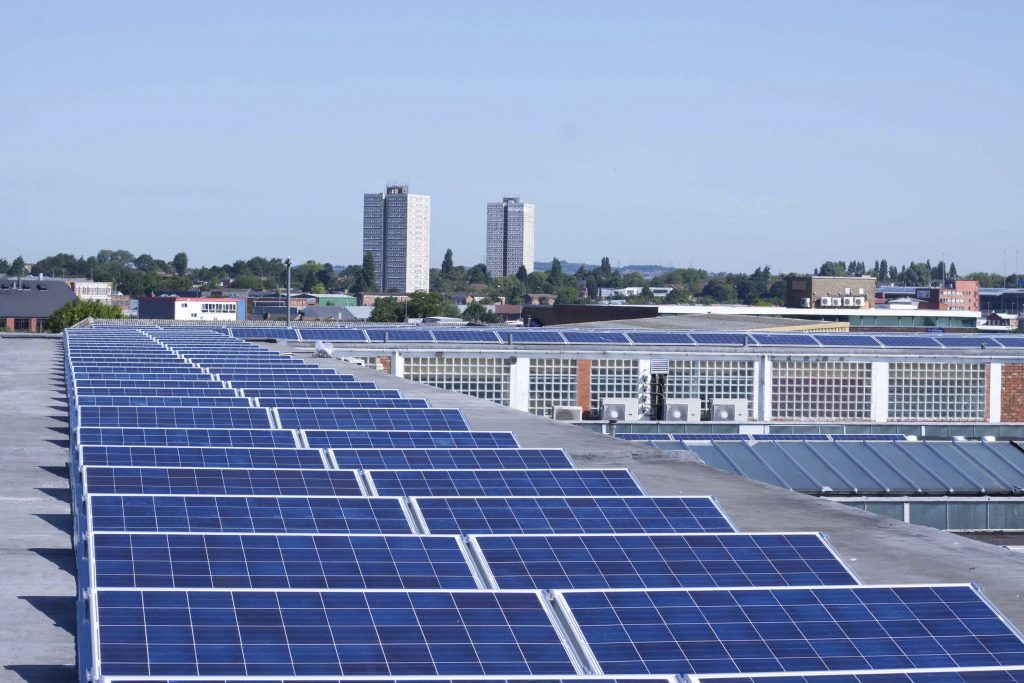
Unlike rooftop systems designed for one property, solar farms bring hundreds or thousands of panels together in one location. For property owners exploring farm solar panels in Minnesota, understanding how these systems work is the first step toward deciding whether available land could support a larger renewable energy project.
What Are Solar Farms in Minnesota?
A solar farm is a large group of photovoltaic solar panels installed on open land to generate electricity from sunlight. These projects may also be called solar parks, solar fields, or photovoltaic power stations. Instead of mounting panels on a residential or commercial roof, solar farms typically use ground-mounted systems positioned to receive as much sunlight as practical. The electricity they produce can be supplied to the electrical grid, used by nearby facilities, or incorporated into a broader energy project.
Working with an experienced solar panel company in Minnesota can help landowners understand how acreage, sunlight exposure, electrical infrastructure, and project goals may influence whether a property is suitable for solar development.
Types of Farm Solar Panels in Minnesota
Solar farms vary in size and purpose, but they generally fall into two main categories: utility-scale solar farms and community solar farms.
1. Utility-Scale Solar Farms
Utility-scale solar farms use thousands of panels to generate electricity for the grid. For larger solar panels projects in MN, feasibility depends on land, grid access, permitting, and overall project requirements.
2. Community Solar Farms
Community solar farms are generally smaller projects designed to serve subscribers within a particular area. Instead of installing panels directly on their roofs, participating households or businesses can receive benefits associated with electricity generated by a shared solar installation. This approach can expand access to solar energy for people who may not have suitable roofs, enough space, or the ability to install their own solar system.
How Do Farm Solar Panels in Minnesota Work?
Farm solar panels follow a simple process to turn sunlight into usable electricity. Each stage moves the energy closer to being ready for homes, businesses, or the power grid.
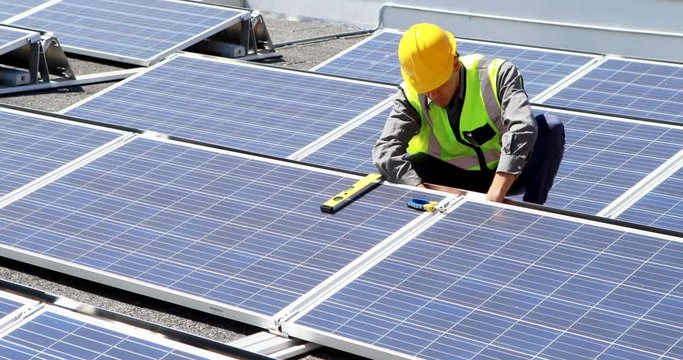
A qualified solar panel company in Minnesota can help design these components around the site’s size, available space, electrical needs, and project goals.
| Stage | How it Works |
| 1. Sunlight Is Captured | Photovoltaic cells in the solar panels absorb sunlight and convert it into direct current (DC) electricity. The layout of solar panels depends on sunlight exposure, land, and terrain. |
| 2. Electricity Is Converted | Inverters convert the DC electricity into alternating current (AC), which is the form of electricity commonly used by homes, businesses, and the electrical grid. |
| 3. Power Is Distributed | Transformers and other electrical equipment prepare the electricity for delivery. Energy generated by farm solar panels in Minnesota can then move into the grid or support a local energy system. |
Benefits of Farm Solar Panels in Minnesota
Solar farms offer more than a way to generate electricity. Their scale allows available land to support long-term renewable energy production while benefiting communities, businesses, utilities, and property owners.
-
Renewable Electricity Generation
Sunlight is a renewable resource, which allows solar farms to produce electricity without continuously consuming fuels such as coal or natural gas. Once installed, the panels continue generating electricity whenever sufficient sunlight is available. A knowledgeable solar panel company in Minnesota can help determine how local solar conditions may affect expected system performance throughout the year.
-
Productive Use of Available Land
Not every part of a property needs to serve the same purpose. Depending on land conditions and project design, areas that are less important for certain agricultural or other uses may potentially be considered for solar development.
-
Potential for Agriculture and Solar to Coexist
Solar development does not always require agricultural activity to disappear entirely. Agrivoltaics combine solar energy generation with certain agricultural activities on the same land. Depending on the project, areas around or beneath solar panels may support grazing, pollinator habitat, or selected crops.
-
Long-Term Energy Production
Solar panels are designed to operate for many years, making solar farms long-term infrastructure rather than temporary installations. Choosing an experienced solar panel company in Minnesota can help ensure that system planning considers both installation and long-term performance.
Challenges of Solar Panels in MN Projects
Solar farms have clear advantages, but they are not the right solution for every property. A realistic project assessment should consider potential limitations alongside the benefits.
-
Land Requirements
Larger solar projects can require considerable space. Landowners need to think carefully about how the property is currently used and how installing solar infrastructure could affect future plans.
-
Upfront Development Costs
Large solar projects involve more than purchasing panels. Anyone considering farm solar panels in Minnesota should begin with a detailed assessment rather than estimating solar costs from panels alone.
-
Changing Weather and Sunlight
Solar panels generate electricity from sunlight, so energy production naturally changes with the weather, seasons, and time of day. Minnesota’s climate therefore needs to be considered when estimating expected annual production.
What Makes Land Suitable for Farm Solar Panels in Minnesota?
Having a large piece of land does not automatically make it suitable for solar. Good solar sites generally require enough usable space, appropriate sunlight exposure, practical access for construction and maintenance, and a feasible way to connect the project to electrical infrastructure. Environmental considerations, zoning requirements, drainage, surrounding properties, and existing land uses may also affect development.
When evaluating land for solar panels in MN, it is useful to look at the entire site rather than simply calculating how many panels could physically fit on the property. Professional site evaluation can help identify opportunities and potential obstacles before major project decisions are made.
Can Solar Farms Work in Minnesota?
Minnesota experiences very different seasons, but that does not prevent photovoltaic panels from producing electricity. Solar panels rely on sunlight rather than heat and can operate in colder environments as long as they receive adequate light. Seasonal changes can still affect production. That is why planning farm solar panels in Minnesota requires a location-specific approach. Panel positioning, site layout, system design, and expected seasonal production should reflect Minnesota’s actual conditions rather than a generic solar model.
Planning a Solar Farm in Minnesota: What Should Come First?
Before choosing equipment, start with the property. A solar project should consider usable land, electricity objectives, grid access, current land use, permitting requirements, sunlight exposure, terrain, and long-term plans for the property.
A reliable solar panel company in Minnesota can help bring these considerations together and determine what type of solar system may be appropriate instead of beginning with a predetermined number of panels. Proper planning also helps identify potential issues before equipment and layouts have already been selected.
Why Choose RAR Energy for Solar Panels in MN?
Every property is different, which means a solar project should be designed around the land rather than forcing the land around a standard system. At RAR Energy, we help property owners explore practical solar solutions based on their site, energy goals, and long-term plans. When planning solar panels in MN, our approach focuses on understanding what the property can realistically support before moving toward installation.
With us, you can expect:
- Solar solutions planned around your property and energy requirements
- Professional assessment of available space and system possibilities
- Quality solar equipment selected for long-term performance
- Experienced guidance throughout the solar installation process
- Clear communication from initial planning through project completion
- Solutions designed with Minnesota properties and conditions in mind
Thinking about putting your land to work with solar? Contact RAR Energy to discuss your property and explore whether a solar solution could be the right fit.
Conclusion
Solar farms turn open land and sunlight into a source of renewable electricity that can serve individual projects, local communities, or the wider electrical grid. From utility-scale installations to community solar projects, the right design depends on factors such as acreage, sunlight, electrical access, land conditions, and project goals.
For property owners considering farm solar panels in Minnesota, the most important step is determining what makes sense for the specific site. A carefully planned project should balance energy production with land use, infrastructure, long-term performance, and local conditions. RAR Energy can help you understand those factors and explore a solar solution designed around your property rather than relying on a one-size-fits-all approach.