Skip to main content
Minnesota farmers have always had to manage variables they cannot control, from weather and commodity prices to changing energy costs. Solar technology gives them more control over one major operating expense. Today’s systems are more efficient, easier to monitor, and better suited to demanding agricultural environments than earlier solar installations. They can help power grain-drying fans, irrigation pumps, milking equipment, ventilation, refrigeration, workshops, and other essential loads.
As a result, farm solar panels in Minnesota are becoming practical farm infrastructure rather than a stand-alone environmental upgrade. That stability can support clearer budgeting across demanding planting, growing, and harvest seasons.
How Farm Solar Panels in Minnesota Are Producing More Power
Modern photovoltaic modules can generate more electricity from the same amount of space than many older models. This is particularly valuable on farms where suitable roof space or land near an electrical service is limited. Higher-output modules may reduce the number of panels, racks, connections, and trenches required to reach the desired system capacity. They also provide greater design flexibility around barns, grain bins, machine sheds, and access lanes. The best solar panel company in Minnesota can assess module efficiency alongside pricing, warranty terms, site limitations, and expected long-term production.
Bifacial panels offer another potential way to increase energy generation. These modules collect direct sunlight on the front and reflected light on the rear. Their performance depends on factors such as mounting height, row spacing, ground cover, and overall site design, so they may not suit every property. However, reflective snow and lighter ground surfaces can support additional rear-side production when the array is designed correctly. For farm solar panels in Minnesota, carefully modelling these site-specific conditions can help farmers determine whether bifacial technology provides worthwhile long-term value.
A Solar Panel Installation Company Can Design for Minnesota Weather
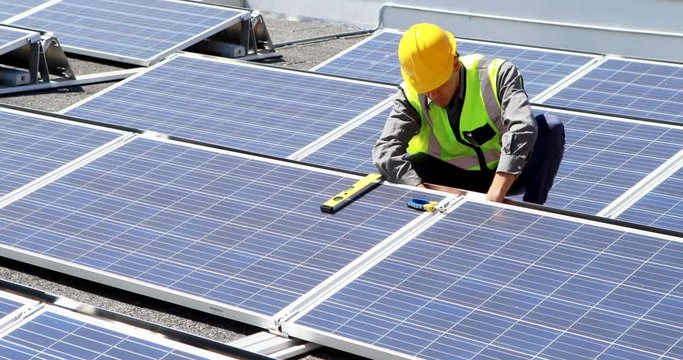
Cold weather does not prevent solar panels from generating electricity. Solar cells can operate efficiently in cool temperatures, although winter production is affected by shorter days, sun angle, cloud cover, and snow coverage. The larger engineering concern is making sure the complete system is designed for local snow loads, wind conditions, frost depth, drainage, and seasonal ground movement. New modeling tools can also test shade, orientation, tilt, and estimated monthly output before equipment is ordered. A qualified solar panel installation company should evaluate these conditions and explain how the design supports reliable operation through Minnesota’s changing seasons.
Smart Farm Solar Panels Minnesota Owners Can Monitor Remotely
Modern inverters do much more than convert direct-current solar power into alternating-current electricity. They can collect operating data and communicate with online monitoring platforms. Farmers can view production from a phone or computer, compare current output with expected performance, and receive alerts when part of the system may need attention. Modern inverters can also support system monitoring and communication with connected networks. These capabilities make farm solar panels operation in Minnesota much easier to supervise without adding another daily manual inspection to the farm schedule.
Panel-level electronics can provide even more detail by showing how individual modules or smaller groups are performing. The main advantages include:
- Identifying debris, shading, damage, or electrical faults sooner
- Comparing current energy production with expected system performance
- Understanding when solar production overlaps with major farm loads
- Receiving alerts without completing another daily manual inspection
A reliable solar panel installation company should explain what the monitoring platform shows, who receives alerts, how data is protected, and what support is available when performance changes unexpectedly.
Solar Panel Company Minnesota Designs Can Include Battery Storage
Solar batteries can store some electricity produced during daylight hours for later use. On a farm, that may help shift solar energy toward evening loads or reduce reliance on grid power during higher-demand periods, depending on the farm’s rate structure and equipment schedule. Storage can also support selected critical loads during an outage, but only when the system is specifically designed for backup operation. Capacity, inverter configuration, controls, and load priorities must all be considered. When Minnesota producers pair their farm solar panels with batteries, the system should be designed around a clear operational goal rather than treating storage as an add-on.
A Smarter Use of Minnesota Farmland With Agrivoltaics
Agrivoltaics combines solar production with agricultural activity on the same land. Depending on the design, that may mean grazing livestock, planting suitable crops, or establishing pollinator-friendly vegetation around and under panels. These shared-use systems can improve land use and create benefits for both agriculture and energy production. Research has also found that dairy cows with access to panel shade had lower afternoon breathing rates and body temperatures. When safely designed, farm solar panels in Minnesota can offer livestock producers benefits beyond electricity generation.
Agrivoltaics work best when the energy system is planned around how the land will continue to be used. Panel height, row spacing, fencing, water access, protected wiring, and equipment routes must accommodate livestock, crops, and machinery. Sheep may suit some sites, while cattle generally require stronger structures and greater clearance. Crop production may also require wider rows or layouts designed around planting and harvesting equipment. For a system designed around real agricultural activity, farmers can plan the next steps with RAR Energy.
A Solar Panel Installation Company Can Match Seasonal Farm Loads
Agricultural electricity use is rarely consistent throughout the year. Grain farms may experience higher demand during drying and storage, while dairy operations often maintain steadier daily loads from milking, cooling, lighting, and ventilation. Irrigation systems and greenhouse equipment create their own seasonal patterns. Modern modelling tools can compare monthly or hourly electricity use with expected solar generation, helping farmers select a more suitable system size. For businesses considering farm solar panels in Minnesota, this detailed comparison is more useful than dividing annual consumption by 12 and assuming energy use remains the same each month.
Utility interval data can add further accuracy by showing exactly when electricity is used. Strong daytime demand may allow more solar energy to be consumed immediately on-site, while heavier evening loads could strengthen the case for solar storage or a different system size. The analysis should also account for future changes, such as electric vehicles, upgraded grain dryers, expanded livestock facilities, additional refrigeration, or new irrigation equipment. An experienced solar panel company in Minnesota should ask about these plans because sizing a system around today’s electricity bill alone could leave it poorly aligned with the farm’s future energy needs.
Farm Solar Panels Minnesota Projects Benefit From Better Financing
Technology is also making project economics easier to understand. More accurate production models, digital monitoring, and clear equipment warranties give farmers better information for comparing estimated savings with project cost. Federal support may also be available. Eligible agricultural producers and rural small businesses may have access to grants and guaranteed loan financing for renewable energy systems and efficiency improvements. Availability, deadlines, and eligibility can change, so farm solar panels in Minnesota should be reviewed with current program guidance and qualified tax and financial professionals before commitments are made.
Built for the Field by a Solar Panel Company Minnesota Farmers Trust
RAR Energy understands that agricultural solar must support the farm, not interfere with it. Our team considers energy use, buildings, available land, equipment access, seasonal demand, and long-term plans before recommending a system. Farmers receive a complete approach that includes:
- Customized solar design for agricultural operations
- Professional installation built around farm schedules
- Clear production estimates and financing guidance
- Ongoing system monitoring, maintenance, and responsive support
By choosing RAR Energy as your solar panel installation company, you gain a partner focused on dependable performance, practical savings, and a system designed to remain useful as your operation grows.
Conclusion: Smarter Farm Solar Panels Minnesota Can Depend On
New solar technologies are making farm energy systems more efficient, visible, flexible, and useful. Higher-output and bifacial modules can improve production, while smart inverters and monitoring tools make performance easier to track. Battery storage can support selected loads, and agrivoltaic designs can allow energy generation to work alongside crops, livestock, or pollinator habitat.
However, the best technology is only valuable when it fits the property and the farm’s daily operations. Careful analysis of seasonal consumption, future equipment, winter conditions, and utility requirements remains essential. With support from an experienced solar panel company in Minnesota farmers can build a system that lowers operating costs, strengthens energy planning, and continues delivering value through changing seasons and future growth for the next generation too.