Skip to main content
What if your roof could do more than protect your home? Once solar panels are added, it becomes the foundation of a system designed to generate electricity for years. That is why solar roofing requires more than standard roofing experience.
A standard roofer protects the structure, while a solar roofing company must also design the electrical system around it. RAR Energy helps U.S. homeowners understand these differences, so they can plan confidently for roof condition, solar performance, and long-term support.
Why Solar Roofing Requires More Than Roofing Experience
A standard roofer is trained to repair, replace, and maintain roofing materials. Their work usually includes shingles, tiles, metal panels, flashing, underlayment, drainage, vents, roof decking, and leak prevention. These skills are essential because a roof that is not properly installed or maintained can lead to water damage and expensive repairs.
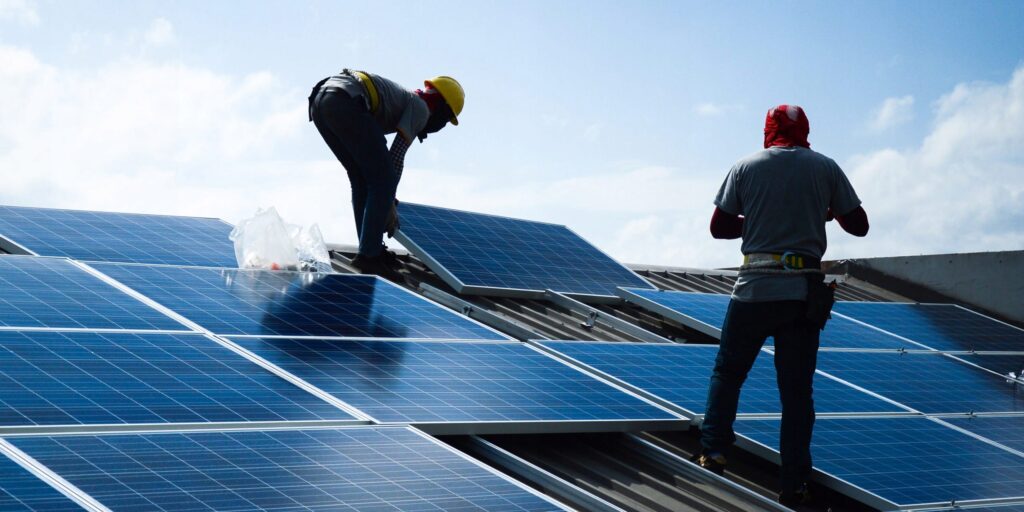
Solar roofing requires that same understanding of the roof, but it adds several additional responsibilities. The panels must be placed where they can receive sufficient sunlight, mounted securely, connected safely, and designed around the home’s electricity needs. The installer must also consider shading, roof direction, structural capacity, electrical equipment, local codes, and utility requirements.
This is where the difference becomes clear. A roofer may know how to protect the roof from the elements, while a solar provider must also make sure the system produces power as expected. The strongest solar projects combine both perspectives from the beginning.
An Experienced Solar Roofing Company Should Always Review Your Roof First
Before discussing panel size, inspect the roof first. Early planning prevents panel removal and reinstallation if roof replacement becomes necessary.
The U.S. Department of Energy recommends that homeowners ask about roof condition before choosing a solar installer. It also advises homeowners to clarify who is responsible if roof damage or leaks develop after solar is installed.
A thorough assessment should examine:
- The roof’s age and remaining useful life
- The condition of shingles, tiles, or metal panels
- Existing flashing, vents, and drainage paths
- Roof decking and structural strength
- Shade from trees, chimneys, or nearby buildings
- Available space for solar panels and future maintenance
Once the roof is confirmed to be ready, the solar design can move forward with fewer unknowns.
Why Solar Roofing in USA Needs Electrical Expertise
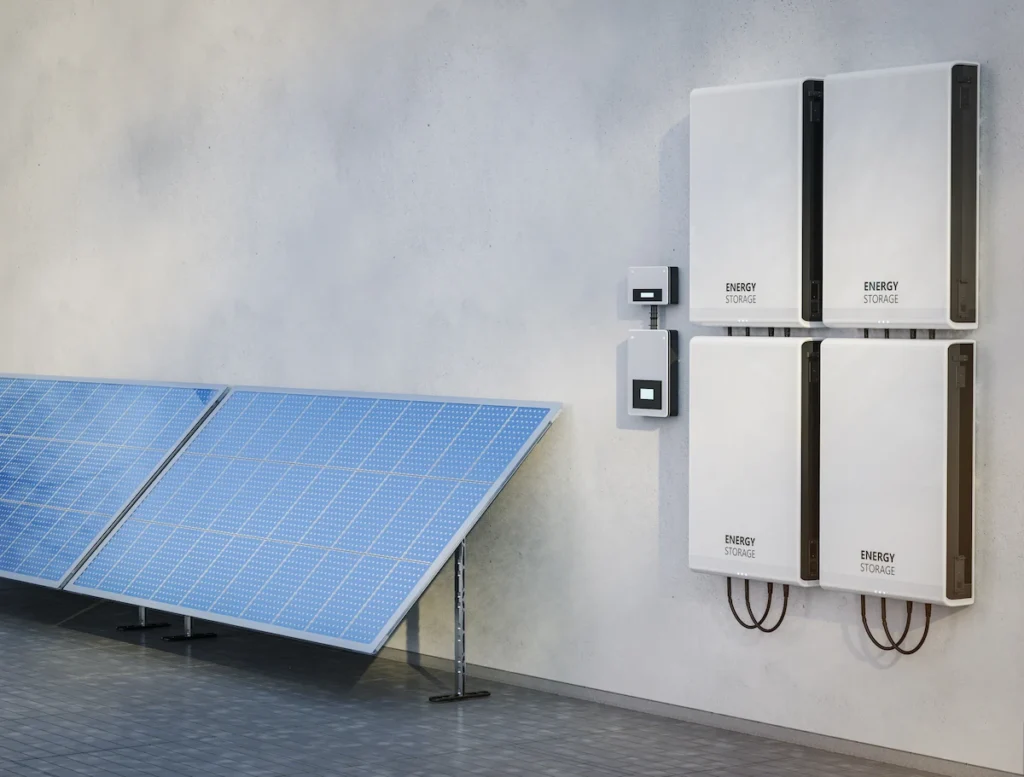
A rooftop solar system includes more than panels. It also needs wiring, inverters, disconnects, mounting equipment, electrical connections, and monitoring technology to convert sunlight into usable electricity.
Photovoltaic cells convert sunlight directly into electricity, but safe use requires proper system design and installation. This is why solar roofing requires both roofing and electrical expertise.
Before recommending a system, a provider should review electricity bills, panel capacity, and needs, including an electric vehicle, heat pump, pool equipment, or home addition. This ensures the system supports the homeowner’s energy goals instead of filling roof space.
Protect Your Investment With Smart Solar Roofing Planning
A roof can appear fine from the driveway while still having issues that matter for solar installation. Aging materials, weak decking, damaged flashing, poor drainage, or recurring leaks can become more difficult to address once panels are in place.
This is why roof condition should guide the timing of the solar project. If the roof has only a few years of useful life remaining, completing roofing work first is often the smarter long-term decision.
The Solar Energy Industries Association advises homeowners to consider replacing a roof before installing solar if replacement is expected soon. Planning both projects together can reduce future labor and help ensure the roof is ready to support the solar system.
Why Solar Roofing Needs Strong Waterproofing Protection
Solar panels need a secure mounting system to withstand wind, weather, and long-term exposure. Depending on the roof type, the installation may involve rails, attachments, flashing, or specialized mounting equipment. If flashing, sealing, or drainage is handled poorly, water can find its way beneath the roofing materials and create problems later.
A professional solar roofing company considers how the mounting system will affect:
- Structural attachment points
- Water flow and roof drainage
- Flashing and waterproofing methods
- Vent, chimney, and skylight placement
- Panel layout and maintenance access
- The appearance of the finished installation
This is where coordination makes a difference. Before signing a contract, homeowners should also ask what happens if a leak appears after installation. A clear explanation of workmanship coverage, inspection procedures, and warranty responsibilities can prevent confusion later.
Solar Roofing Approval Steps Every Homeowner Should Know
Solar roofing in the USA involves approvals beyond a standard roofing project because it includes structural, electrical, and utility requirements. Rules vary locally, but homeowners may need:
- Building permits
- Electrical permits
- Engineering documents
- Safety inspections
- Utility interconnection approval
A qualified solar roofing company can prepare paperwork, coordinate inspections, and communicate with the utility. This keeps the project organized and reduces the risk of missed requirements.
It also creates a clearer timeline, as design, permitting, installation, inspection, and system activation each happen at stages.The Department of Energy recommends working with qualified installers who can assess roof suitability and guide homeowners through the solar process.
Why Smart Solar Roofing Design Makes a Difference
A new roof is judged by its durability, appearance, and ability to withstand the weather. A solar system must meet those same standards while also producing electricity efficiently.
This is why design matters. Panel quality is important, but it is only one part of expected production. Roof direction, tilt, shade, available space, local weather, and equipment selection all affect how much energy the system can generate.
The Department of Energy notes that rooftop solar potential depends on factors such as roof size, shading, tilt, location, and construction. A careful assessment helps homeowners understand what their property can realistically support.
A solar roofing company should explain projected system output in plain language. Homeowners should understand how the estimate was created and what factors could affect performance after installation.
Solar Roofing Brings Roofing and Energy Planning Together
When a roof requires repairs or replacement, separate contractors can create unnecessary complications. One team may focus only on roofing, while another focuses only on the solar system. Without coordination, important details can be missed or addressed too late.
A solar roofing company helps connect the process. It can assess the roof, plan the solar array, identify potential concerns, and establish the right order for roofing and solar work.
This coordinated approach can help homeowners avoid installing panels on a roof that will soon need major repairs. It can also prevent issues with roof features, mounting locations, electrical routing, or access for future maintenance.
The benefit is not simply convenience. It is about creating a project where the roof and solar system are designed to work together from the start.
Questions Every Homeowner Should Ask About Solar Roofing
Before choosing a provider, it is worth asking how the company handles roof condition, mounting, permits, electrical work, warranties, and post-installation support.
Start with questions such as:
- Will you inspect my roof before finalizing the design?
- Does my roof have enough useful life for solar panels?
- Who is responsible for mounting, flashing, and electrical work?
- What permits and inspections are required for my project?
- Who should I contact if a roof or solar issue develops later?
These questions help homeowners compare providers based on accountability and quality, not just the initial quote.
Start Your Solar Roofing Journey With RAR Energy
RAR Energy helps homeowners make solar decisions with a clearer understanding of their roof, property conditions, and energy needs. The process begins with a practical assessment so the homeowner can determine whether solar is a good fit before committing to the project.
As a solar roofing company, RAR Energy focuses on customized planning, transparent communication, and dependable installation support. The team helps homeowners understand their options and prepare for each step of the solar process.
RAR Energy provides support through:
- Site-specific solar evaluations
- Customized system designs
- Clear estimates and project guidance
- Permit and inspection coordination
- Monitoring and warranty information
- Ongoing support after installation
Whether your roof is new, nearing replacement, or already in good condition, RAR Energy can help you explore a solar solution that fits the property and your long-term goals.
Conclusion
The difference between a standard roofer and a solar roofing company comes down to the full scope of the work. A roofer protects the home from the elements. A solar roofing provider must protect the roof while designing a system that can safely generate electricity for years.
Before moving forward, assess your roof, ask the right questions, and work with a provider that understands how roofing and solar must work together. To discuss a system designed for your home, contact RAR Energy and explore your solar options.