Skip to main content
Farming in Minnesota requires careful planning. Weather can shift quickly, input costs can rise, and energy expenses can increase while a farm manages planting, irrigation, livestock, storage, or harvest operations. As electricity supports so many parts of a modern farm, working with a solar panel company in Minnesota can help control energy costs and support long-term profitability.
RAR Energy helps Minnesota residents and agricultural businesses design solar systems that match their property, energy use, budget, and long-term growth goals more effectively.
Why Minnesota Farms Are Turning to Solar Panels MN
Energy is not a minor expense for many farms. Dairy operations may need dependable electricity for milk cooling, ventilation, lighting, and water systems. Crop farms may use power for irrigation, grain drying, storage, workshops, and equipment. As these needs grow, so does the importance of managing utility costs.
Solar panels MN farms install can reduce purchased electricity while powering daily operations. Livestock farms, grain producers, greenhouses, orchards, and processors can all benefit, but each system should reflect actual energy use, available space, equipment demands, and realistic savings goals.
Lower Farm Energy Costs With Solar Panels in Minnesota
Farmers often consider solar to reduce electricity costs. Savings depend on system size, sunlight, panel placement, utility rates, and seasonal energy demand. A detailed assessment of past bills and major equipment loads helps determine whether solar can meet the farm’s needs, deliver realistic savings, and support long-term financial planning without placing unnecessary pressure on operations. It also helps farmers compare installation options and select a system that aligns with their property, production needs, and future growth plans.
How Solar Panels MN Support Irrigation and Water Systems
Water management is essential to many agricultural operations, yet irrigation pumps and related equipment can require substantial electricity. This is especially noticeable during warmer, sunnier periods, when crops may need more water and electricity use can increase.
Solar can be a practical fit because it produces electricity during the same daylight hours when irrigation demand is often higher. Well-designed solar panels MN farms install may help offset power used by pumps, water systems, wash stations, livestock watering equipment, and other farm infrastructure. Before moving forward, farmers should review:
- Pump size and electricity requirements
- Seasonal irrigation demand
- Available roof or ground space
- Shading from trees, structures, or equipment
- Existing electrical capacity
- Future expansion plans
Solar will not solve every water-management challenge, but it can reduce the cost of operating essential equipment. When it is paired with efficient pumps and well-maintained irrigation systems, the overall result can be even stronger.
Build Lasting Farm Value With Solar Panels in Minnesota
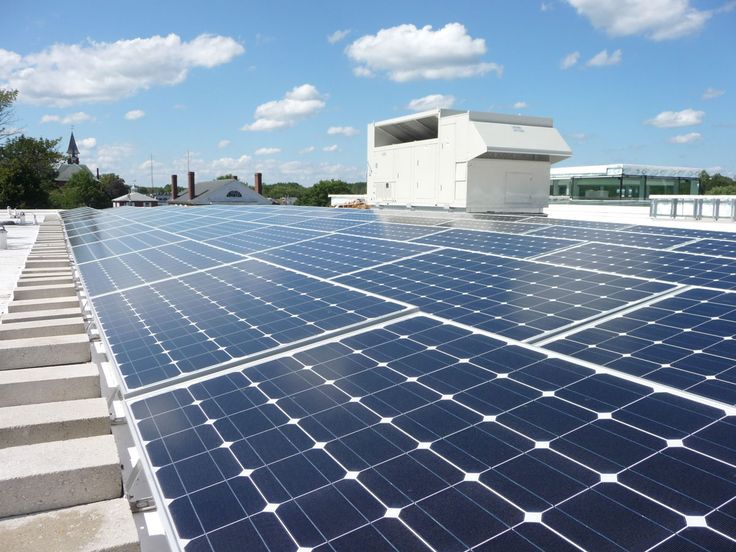
Solar panels MN farms install can create long-term value beyond monthly utility savings. A properly sized system may help farms manage rising electricity costs, reduce dependence on purchased power, and support equipment that is essential to daily operations. Because solar systems are built to operate for many years, farmers can include expected energy savings in future budgets and expansion plans. The investment may also make farm buildings more useful by turning available roof space into an energy-producing asset. To achieve these benefits, the system must be designed around current electricity use, site conditions, maintenance access, and realistic production estimates. Reviewing these details before installation helps farmers choose a system that remains practical, reliable, and financially valuable as their operation changes.
Farm Growth Starts With Solar Panels Minnesota Planning
Farm expansion can raise energy costs before it generates additional revenue. Planning solar early helps Minnesota farmers assess future electricity needs before adding buildings, equipment, irrigation, storage, or processing capacity. Planning ahead can provide several advantages:
- New roof space can be designed with solar in mind
- Electrical upgrades can be coordinated efficiently
- System capacity can reflect expected future demand
- Energy costs can be included in project budgeting
- Installation can be timed around farm operations
For example, a new machine shed may create a strong rooftop solar opportunity. If solar is considered after construction, retrofitting may still be possible, but early planning can make the process smoother and more cost-effective.
How Solar Panels MN Can Work Alongside Minnesota Agriculture
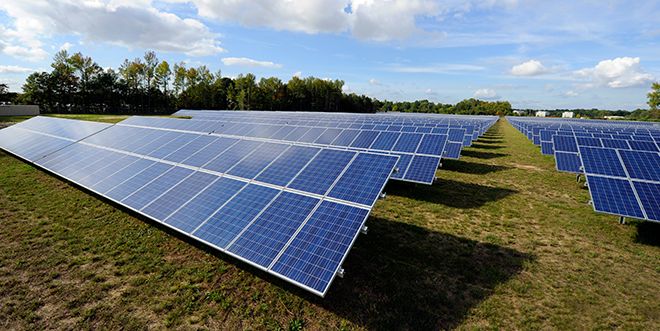
Solar and agriculture can share the same land through agrivoltaics, which combines solar energy production with activities such as grazing, pollinator habitat, or selected crops. This approach can help farmers keep land productive while generating electricity, but it requires planning around each property’s practical needs.
- Panel height and row spacing
- Fencing, drainage, and equipment access
- Soil conditions and crop suitability
- Livestock safety and grazing management
For example, a system designed for sheep grazing may need wider spacing, durable fencing, and safe access, while a pollinator-focused array requires different planting choices. Farmers should evaluate how solar fits their land use, equipment, and goals before selecting a design. This makes the project more useful, manageable, and sustainable over time for farm operations.
Winter Performance Matters for Solar Panels Farms in Minnesota
Minnesota winters are a legitimate consideration, but they do not prevent solar from being a useful farm energy option. Solar panels produce electricity from sunlight, not outdoor heat. Snow can temporarily reduce output when it covers the panels, and shorter winter days naturally mean less solar production than summer.
However, properly designed solar panels MN farms install account for these seasonal differences. Panel angle, mounting design, site exposure, structural requirements, and safe maintenance access should all be reviewed before installation. A knowledgeable installer will also consider snow loads, wind conditions, drainage, and how the array will perform across the full year. The important measure is annual production and annual energy savings, not whether every month produces the same amount of electricity.
Farm Financing Options for Solar Panels MN Projects
Solar is a long-term investment, so farmers should look beyond the installation cost alone. A complete financial review should consider expected energy production, utility savings, maintenance needs, financing terms, tax treatment, and available programs. Eligible agricultural producers and rural small businesses may be able to explore support through the USDA Rural Energy for America Program USDA Rural Energy for America Program. The program offers grant funding and loan guarantees for qualifying renewable-energy and energy-efficiency projects. Before investing, verify incentives and compare realistic costs and savings to choose a system that supports your farm’s long-term goals.
Choose the Right Solar Panels Company in Minnesota
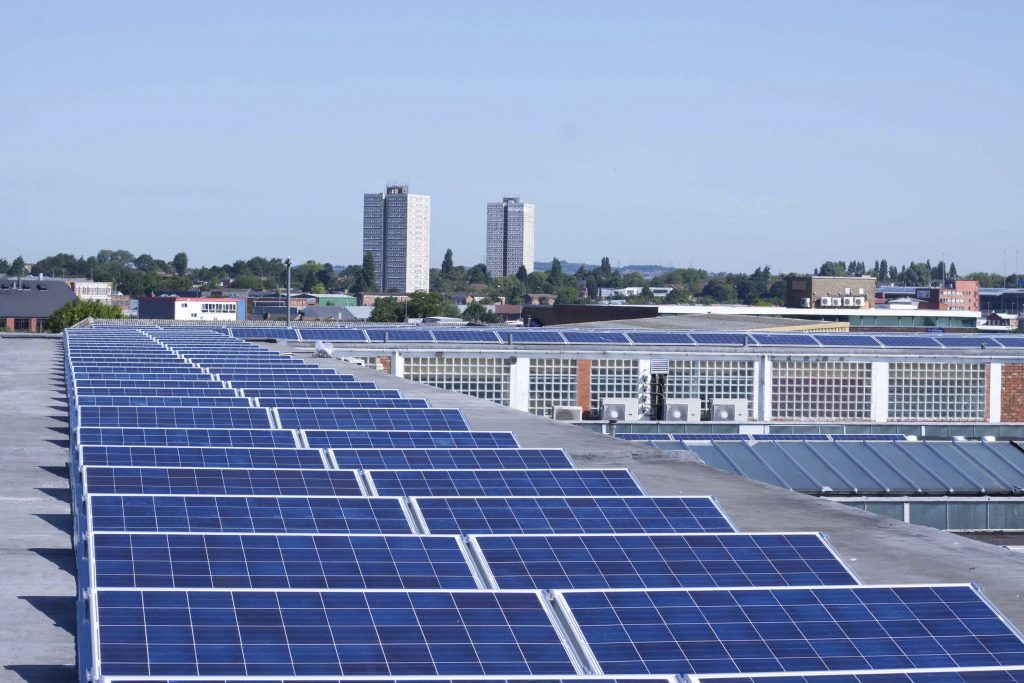
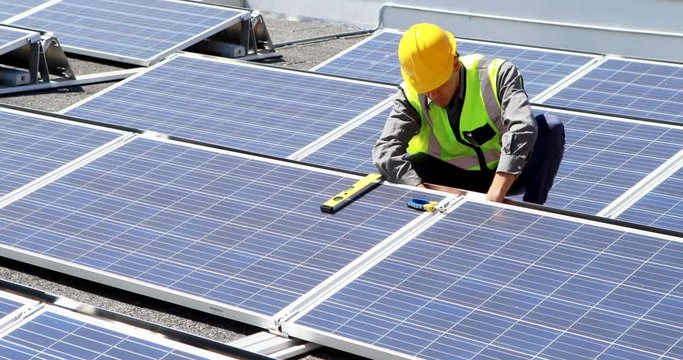
Choosing a solar installer involves more than comparing panel prices. A reliable solar panel company in Minnesota should review the farm’s electricity use, site conditions, roof strength, weather exposure, and future plans. The team should determine whether rooftop or ground-mounted solar is more suitable and assess snow loads, drainage, maintenance access, panel placement, and interconnection requirements. These details affect safety, system performance, and long-term value. Instead of offering one standard package, an experienced installer explains the available options clearly and designs a system that supports daily operations, controls costs, and remains practical as the farm grows over the coming years.
Why Choose RAR Energy for Solar Panels in MN
RAR Energy works with Minnesota property owners and agricultural operations to develop solar solutions that reflect real site conditions and energy needs. As a reliable solar panels company in Minnesota, we consider the farm’s electrical usage, available space, future plans, and practical operating requirements.
Choosing RAR Energy means working with a team that offers:
- Customized agricultural solar system designs
- Clear estimates based on your property and energy use
- Rooftop and ground-mounted solar options
- Support for irrigation and farm-energy applications
- System monitoring and long-term warranty support
- A focus on reliable installation and ongoing performance
RAR Energy’s farm solar solutions MNfarm solar solutions are designed to help agricultural businesses reduce energy costs while planning for a more sustainable future. Whether the goal is to offset current electricity use or support farm expansion, the project begins with a clear assessment of what the operation needs.
Conclusion
Solar can give Minnesota farms more than lower utility bills. It can create a steadier approach to energy planning, support essential equipment, and reduce dependence on purchased electricity over the long term.
The most successful projects begin with a realistic review of the farm’s energy use, property conditions, and financial priorities. Once those details are clear, solar can become a practical part of the operation’s future, not simply an add-on. For farmers considering solar, the next step is a site-specific conversation. Contact RAR Energy to explore an agricultural solar system designed around your farm’s needs.