Skip to main content
Minnesota farmers understand how demanding winter can be. Heavy snowfall, freezing temperatures, shorter days, and strong winds affect nearly every part of an agricultural operation. The good news is that solar panels do not require heat to produce power. Snow may temporarily reduce production when it covers an array, but a properly designed agricultural solar system accounts for Minnesota’s seasonal conditions.
An experienced farm solar panel company in Minnesota evaluates snow loads, panel angles, electrical demand, equipment location, and annual sunlight before recommending a system. This careful planning allows farms to benefit from solar energy throughout the year, not only during warm, sunny months.
Do Farm Solar Panels Work During a Minnesota Winter?
Yes, farm solar panels continue producing electricity throughout winter. Solar photovoltaic cells respond to light rather than outdoor temperature. If sunlight reaches the panels, the system can generate power even when the temperature is below freezing. Cold weather may actually support efficient panel performance. Excessive heat can reduce the voltage and output of photovoltaic modules. According to the U.S. Department of Energy, solar modules generally operate more efficiently in colder weather, although snow and ice still present design and maintenance challenges.
Winter production will usually be lower than summer production because Minnesota has fewer daylight hours and the sun sits lower in the sky. However, annual solar projections account for these seasonal differences.
How a Farm Solar Panel Company in Minnesota Plans for Snow
Successful winter performance begins long before the first snowfall. The array must be designed around local weather, site conditions, farm operations, and the weight the structure may experience during severe storms.
A professional installer considers:
- Local snow-load and wind-load requirements
- Roof condition and structural capacity
- Ground clearance for accumulating and drifting snow
- Panel tilt and orientation
- Nearby trees, grain bins, silos, and other sources of winter shade
- Safe access for inspections and maintenance
- Drainage and the direction in which snow will slide
- Electrical equipment protection
- The farm’s monthly and seasonal energy consumption
A generic solar layout may overlook important agricultural conditions. Farms contain large equipment, livestock areas, high electrical loads, and busy vehicle routes. The array must withstand winter without interfering with tractors, loaders, deliveries, or daily animal care.
Proper Farm Solar Panel Angles Help Snow Slide Away
Solar panels have a smooth glass surface and are normally installed at an angle. When sunlight warms an exposed part of the panel, the snow may loosen and slide off naturally. Wind and gravity can also help clear lighter accumulation.
The appropriate angle depends on more than snow removal. It affects annual energy production, structural requirements, roof compatibility, and the amount of space needed between rows. Ground-mounted systems must also have enough clearance to prevent sliding snow from piling up along the lower edge of the panels. A qualified farm solar panel company balances these factors instead of simply selecting the steepest possible angle.
Farm Solar Panels Are Engineered for Cold and Heavy Loads
Minnesota farms need equipment that can withstand more than an ordinary winter day. Solar racking, foundations, attachments, and modules must be chosen for the conditions they will face over decades of use.
Winter-ready design may include:
- Modules with appropriate mechanical-load ratings
- Corrosion-resistant mounting components
- Secure roof attachments or engineered ground foundations
- Wiring protected against ice, moisture, and animal damage
- Weather-rated inverters and electrical enclosures
- Adequate space for ventilation, drainage, and inspection
- Layouts designed to reduce uneven snow accumulation
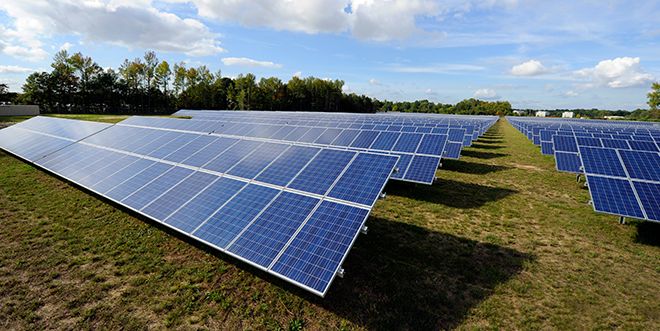
For some properties, a ground-mounted farm solar panel system may be the more practical choice. It can avoid roof limitations while allowing the panels to be positioned for sunlight, maintenance access, and winter clearance.
Cold Weather Can Improve Farm Solar Panel Efficiency
Bright, cold winter days can support strong momentary panel performance. Minnesota’s winter sunlight may also reflect from fresh snow onto the array. This effect, known as albedo, can be particularly useful for bifacial panels, which can capture light from both the front and rear surfaces when installed appropriately.
That does not mean winter will produce more total energy than summer. Shorter days, lower sun angles, storms, and snow coverage still affect seasonal generation. It does mean cold air alone does not prevent solar panels from working. A farm solar company uses local weather data and realistic loss assumptions to estimate annual output.
Smart Farm Solar Panel Design Reduces Partial Snow-Cover Effects
Snow does not always cover an array evenly. One row may be clear while another remains shaded, or the lower portion of several panels may stay covered after the rest has melted. Because solar modules are electrically connected, partial shading can affect more than the covered section. System configuration therefore matters. Depending on the property and project size, an installer may use suitable string layouts, multiple power point trackers, microinverters, or power optimizers to limit the effects of uneven conditions. System monitoring is also valuable. Farmers can review production remotely and compare current output with expected performance. A sudden or continuing decline may indicate snow cover, equipment trouble, new shading, or another issue that deserves investigation.
Should Farmers Remove Snow From Solar Panels?
In many cases, manual snow removal is unnecessary. Snow can slide or melt away, and the production recovered by clearing it may not justify the safety risk or labor involved.Before attempting snow removal:
- Check the manufacturer’s guidance and system warranty.
- Review the expected weather and potential natural melting.
- Compare the possible energy gain with the cost and risk.
- Keep people clear of areas where snow could suddenly slide.
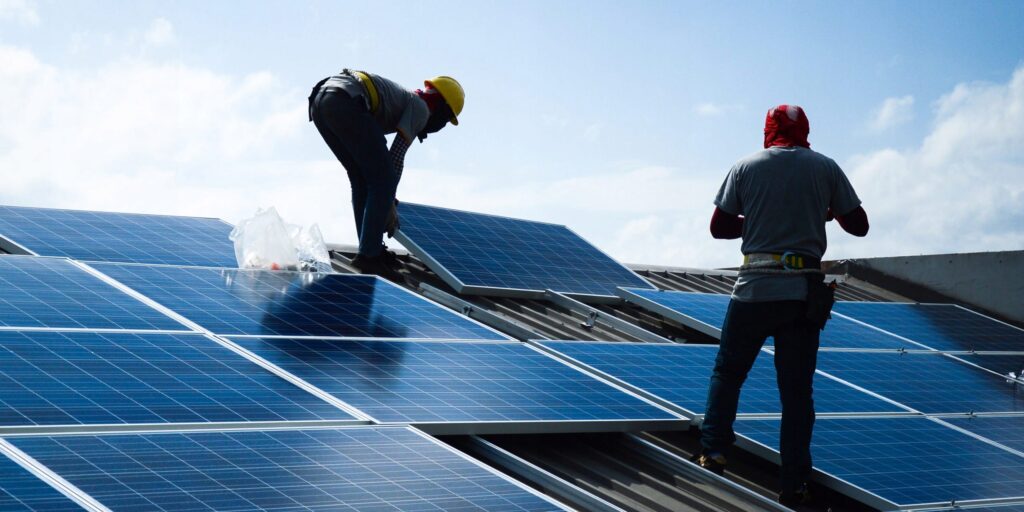
- Use trained professionals when roof access or electrical equipment is involved.
Farmers can also review RAR Energy’s solar panel cleaning guide for more information about protecting system performance.
A Farm Solar Company Designs Around Agricultural Energy Demand
Winter resilience is only one part of a successful farm solar project. The system must also match how and when the farm consumes electricity.
Agricultural loads may include:
- Grain drying and handling
- Dairy milking and cooling equipment
- Ventilation fans
- Irrigation pumps
- Greenhouse heating and controls
- Lighting for barns and outbuildings
- Refrigeration and cold storage
- Workshops and machinery
- Water pumps and livestock systems
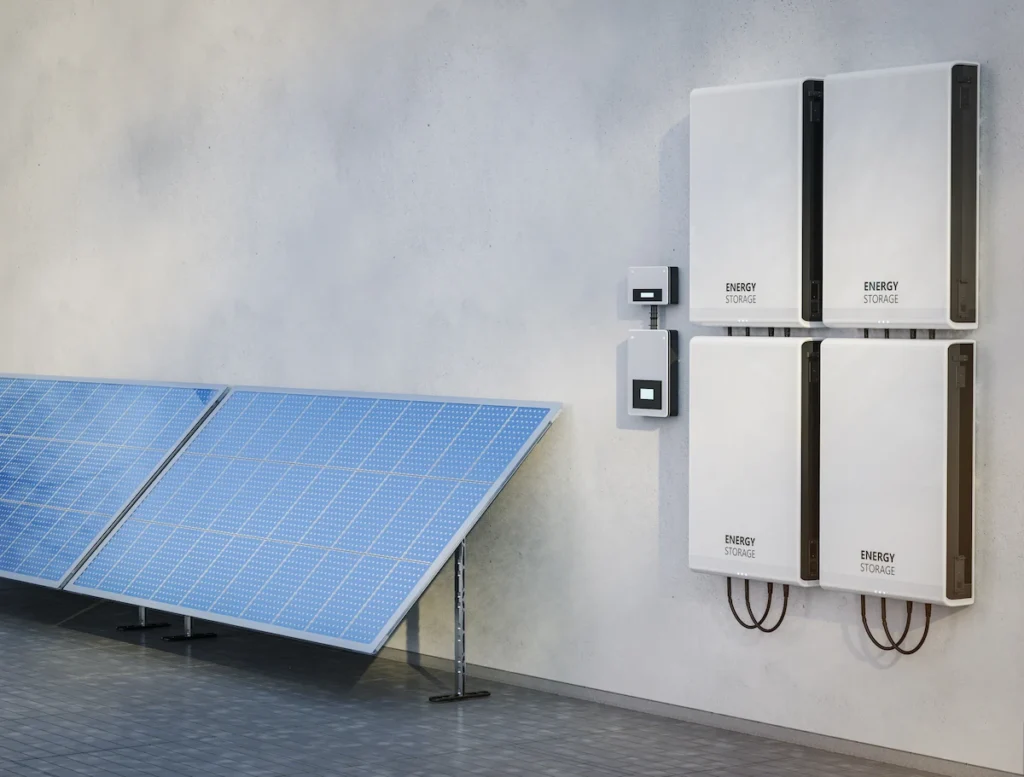
How a Farm Solar Company Plans Solar Storage for Winter Resilience
A standard grid-connected solar array generally shuts down during a utility outage unless it includes equipment designed for backup operation. This safety feature prevents electricity from being sent onto utility lines while crews are making repairs.
Battery storage can support selected equipment when properly designed, but backing up an entire farm may be expensive because motors, pumps, refrigeration systems, and grain equipment can require substantial power.
A practical plan often prioritizes critical loads such as:
- Water pumps
- Essential lighting
- Ventilation
- Refrigeration
- Communications and controls
- Selected livestock equipment
Why Annual Farm Solar Panel Production Matters More Than One Snowy Week
Solar production normally rises during spring and summer, when days are longer. Depending on the farm’s utility arrangement, excess generation may produce bill credits that help offset electricity drawn during lower-production periods. A trustworthy installer explains:
- Expected monthly and annual production
- Assumed losses from snow, shading, and equipment
- Utility interconnection requirements
- Estimated bill savings
- Maintenance expectations
- Equipment and workmanship warranties
- Available financing and incentive considerations
Eligible agricultural producers may also explore the USDA’s Rural Energy for America Program, which offers renewable-energy grants and guaranteed loan financing. Program availability, deadlines, and eligibility can change, so farmers should verify current requirements before starting construction.
Why Choose RAR Energy as Your Minnesota Farm Solar Company?
RAR Energy provides customized solar solutions for Minnesota farms rather than applying the same system design to every property. Our team considers the farm’s energy use, buildings, available land, utility requirements, equipment movement, and winter exposure.
We help agricultural property owners plan systems that can:
- Reduce long-term electricity expenses
- Make energy costs more predictable
- Use available barn, outbuilding, or ground space
- Support equipment and daily farm operations
- Withstand Minnesota’s snow and cold
- Provide clear system monitoring
- Deliver dependable long-term value
From the initial property review through installation and ongoing support, our focus is building a system around the way your farm actually works.
Conclusion
Minnesota winters do not prevent farms from benefiting from solar energy. With proper panel angles, durable mounting systems, realistic production forecasts, and equipment selected for heavy snow and freezing temperatures, agricultural solar can deliver dependable value throughout the year. RAR Energy designs each system around the farm’s buildings, land, electricity demand, equipment routes, and winter exposure. Whether installed on a barn, outbuilding, or ground-mounted structure, the right solar array can reduce long-term energy costs and support daily operations. Partner with an experienced farm solar panel company like RAR Energy in Minnesota to build a system prepared for every season and future energy needs.