Skip to main content

A roof traditionally has one primary job: protecting your home from the elements. Solar technology gives it another purpose by allowing the space above your home to generate electricity from sunlight.
Solar roofing uses photovoltaic technology installed on or integrated with the roof to capture sunlight and convert it into usable electricity. Depending on the system, homeowners may use conventional rooftop solar panels, solar shingles, or integrated solar tiles. For homeowners across the United States, this creates an opportunity to generate renewable electricity without requiring additional land or space around the property. Understanding the technology, installation process, and different roofing options can help you decide which approach is most suitable for your home.
What Is Solar Roofing and How Does It Work?
Solar roofing refers to a roofing system that uses photovoltaic technology to generate electricity from sunlight. Some systems place conventional solar panels over the existing roofing material, while others integrate photovoltaic cells directly into shingles or tiles.
The main approaches include:
Rooftop solar panels: Solar modules are secured above an existing roof with a mounting system.
Solar shingles: Photovoltaic shingles generate electricity while creating a lower-profile appearance.
Solar roof tiles: Individual roofing tiles incorporate photovoltaic cells into the roof design.
Despite their structural differences, these systems share the same basic objective: capturing sunlight and converting its energy into electricity that can be used inside the property.
A professional solar roofing company can assess the roof, energy consumption, and available sunlight before determining which configuration is suitable.
How Does Solar Roofing Convert Sunlight into Electricity?
The technology behind solar roofing is based on the photovoltaic effect. Photovoltaic cells absorb energy from sunlight and generate direct current electricity.
That electricity must then move through several components before it can safely power household appliances.
Step 1: Photovoltaic Cells Capture Sunlight
When sunlight reaches photovoltaic cells within the panels, shingles, or tiles, the cells absorb energy and begin generating electricity.
Roof orientation, shading, weather conditions, and the quality of the photovoltaic technology can all influence how much electricity a system produces.
Step 2: Solar Roofing Produces DC Electricity
The photovoltaic cells initially generate direct current, commonly known as DC electricity.
Individual modules or solar roofing components are electrically connected, allowing the electricity they produce to travel through the system.
Step 3: An Inverter Converts DC into AC Electricity
Most American homes operate on alternating current, or AC electricity. The DC electricity generated by the roof therefore travels to an inverter.
The inverter converts it into AC electricity that household electrical systems can use.
Step 4: Electricity Reaches Your Home
Once converted, electricity flows to the main electrical panel and can power lights, appliances, electronics, and other equipment.
If the system generates more electricity than the home needs at that moment, the excess may be exported to the utility grid or stored in a compatible battery system, depending on the system design and local utility arrangements.
What Are the Main Components of Solar Roofing?
An effective solar roofing system depends on several components working together rather than the photovoltaic material alone.
Solar Panels, Shingles, or Tiles
These are the components exposed to sunlight. Photovoltaic cells within them begin the electricity-generation process.
Solar Inverter
The inverter converts the DC electricity generated by photovoltaic cells into AC electricity suitable for household use.
Electrical Panel
After conversion, electricity enters the home’s electrical system through the electrical panel and is distributed where needed.
Mounting and Wiring
Traditional panels require mounting equipment to secure them to the roof. Solar shingles and tiles use more integrated installation methods. Electrical wiring connects the photovoltaic components to the inverter and other system equipment.
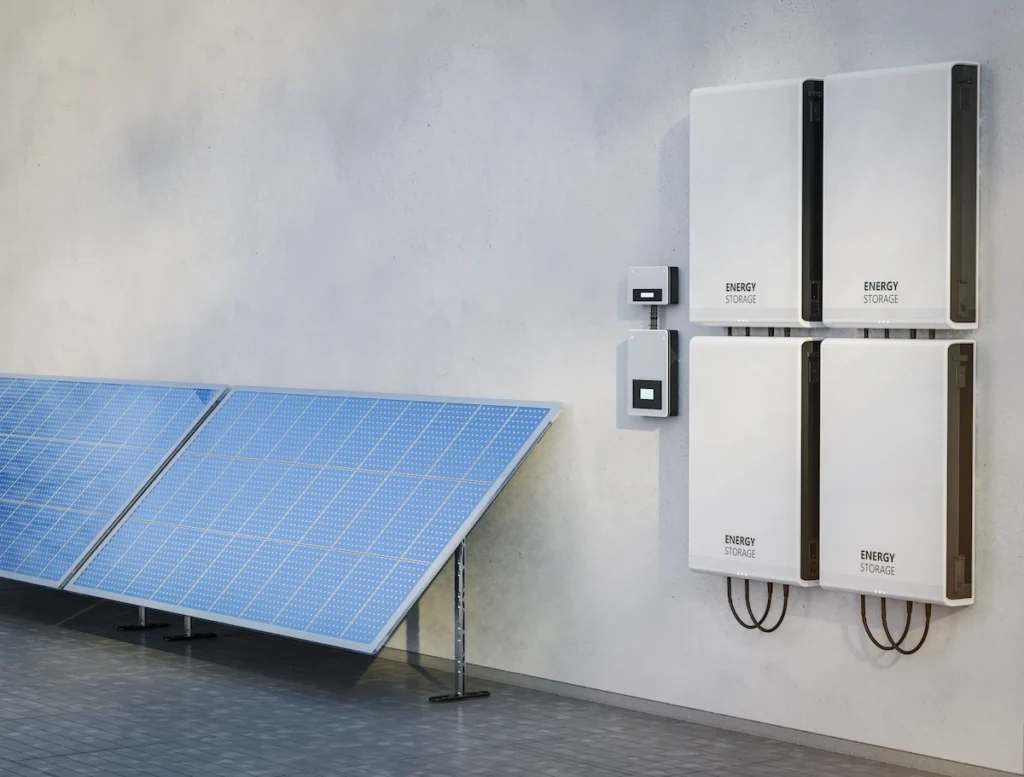
Optional Battery Storage
A battery can store surplus solar electricity for later use. The exact backup capabilities depend on the battery, inverter, and overall system configuration.
Working with an experienced solar roofing company helps ensure these individual components are appropriately designed to operate as one system.
What Types of Solar Roofing Are Available?
Homeowners have several ways to use their roof for solar generation. The right choice depends on the property’s roof condition, design preferences, available space, and budget.
Traditional Rooftop Solar Panels
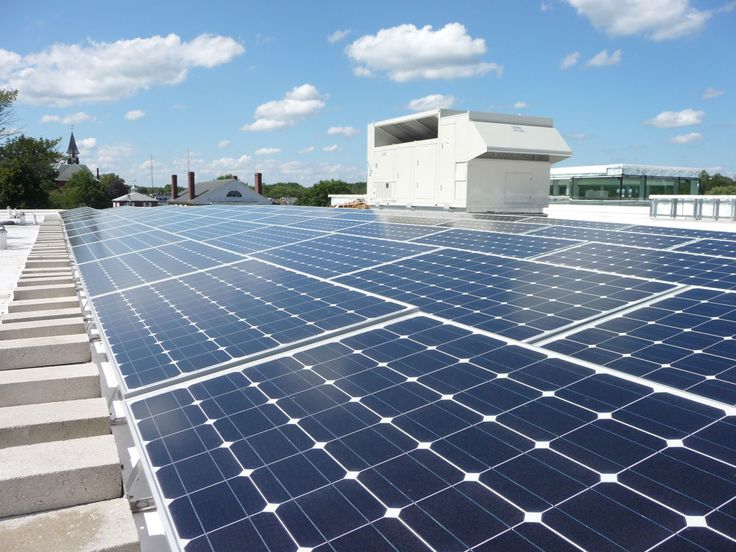
Traditional panels are mounted over the existing roof rather than replacing its roofing materials. They remain one of the most common approaches to residential solar installations.
Homeowners interested in generating electricity with rooftop panels can explore RAR Energy’s solar for roofs solutions for systems designed around the property’s energy requirements.
Solar Shingles
Solar shingles contain photovoltaic cells but are designed to resemble conventional roofing materials more closely than raised solar panels.
They can be particularly attractive when homeowners want a lower-profile solar installation or are already planning significant roof work.
Solar Tiles
Solar tiles operate on a similar principle but may be manufactured from materials such as glass, ceramic or other durable roofing materials with photovoltaic technology incorporated into their structure.
They provide both weather protection and electricity generation while creating an integrated roof appearance.
How Is Solar Roofing Installed?
Installing solar roofing requires careful planning because the electrical system and roof must function safely together.
Although the exact process depends on the type of system and property, installation generally involves several stages.
1. Roof and Site Assessment
The installer evaluates the roof’s condition, orientation, slope, available surface area and surrounding shade. Structural suitability may also need to be considered.
2. Solar System Design
The system is designed according to factors such as household electricity consumption, available roof space and expected solar production.
3. Permits and Approvals
Required permits and utility requirements are addressed before the system is activated. Requirements vary by jurisdiction and utility.
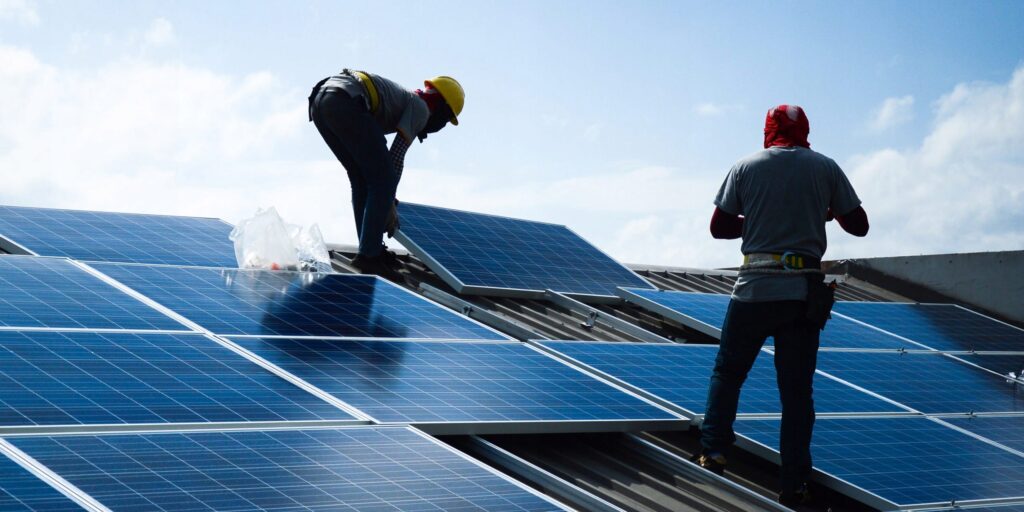
4. Installation
Mounting hardware, panels, and electrical equipment are installed. Integrated systems may require solar shingles or tiles to be incorporated directly into the roofing structure.
5. Inspection and Activation
The completed system goes through applicable inspections and utility procedures before normal operation begins.
Choosing an experienced solar roofing company in Minnesota is especially useful for homeowners who want a system designed with local weather, permitting, and property requirements in mind.
What Are the Benefits of Solar Roofing?
The most obvious advantage of solar roofing is the ability to turn otherwise unused roof space into an electricity-generating area.
Other potential benefits include:
Reduced grid electricity use: Electricity generated on your property can reduce the amount you need to purchase from the utility.
Renewable energy generation: Solar systems produce electricity using sunlight rather than consuming fuel during operation.
Use of existing space: The roof becomes an energy-generating surface without requiring additional property.
Potential long-term savings: Generating electricity at home can help reduce electricity expenses, although actual savings vary by system and utility rates.
Flexible designs: Homeowners can choose conventional panels or more integrated solar roofing options.
Battery compatibility: Compatible systems can be paired with energy storage to save surplus electricity for later use.
Homeowners looking at whole-home residential solar can also explore RAR Energy’s solar for home solutions.
Solar Roofing vs Traditional Solar Panels
Integrated solar roofing and conventional rooftop panels both use photovoltaic technology, but they interact with the roof differently. Traditional panels are installed over existing roofing materials. Solar shingles or tiles can become part of the roofing surface itself.
Traditional panels can make sense when the existing roof is in good condition, and the primary objective is electricity generation. Integrated roofing may appeal more to homeowners replacing a roof or prioritizing a lower-profile appearance.
The decision should consider:
Current roof condition
Available roof area
Energy requirements
Installation budget
Desired appearance
Expected time in the home
Maintenance requirements
A qualified solar roofing company in Minnesota can evaluate these factors and recommend a configuration suited to the individual property.
How Long Does Solar Roofing Last?
Longevity depends on the product, installation quality, environmental exposure, and maintenance. Many photovoltaic systems are designed to operate for decades, although their electricity output can gradually decline over time. Routine maintenance for solar roofing is generally limited, but homeowners should still monitor the system and have problems inspected when necessary.
Leaves, debris, and excessive shading can interfere with sunlight exposure. The roof itself should also continue to be inspected as part of normal home maintenance. Weather resistance is especially important in locations that experience snow, wind, hail, and significant seasonal changes. Selecting equipment appropriate for local conditions and having it professionally installed can contribute to reliable long-term operation.
Is Solar Roofing Right for Your Home?
Not every property has identical solar potential. Before installing solar roofing, homeowners should consider both their roof and their electricity requirements.
Ask yourself:
Does the roof receive adequate sunlight?
Is significant shading present?
Is the existing roof in good condition?
How much electricity does the household currently consume?
Is roof replacement already planned?
Do you prefer panels or a more integrated appearance?
Are you considering battery storage?
How long do you expect to remain in the property?
A professional assessment can answer these questions using information specific to your home rather than general estimates.
Why Choose RAR Energy as Your Solar Roofing Company in Minnesota?
Choosing the right equipment matters, but choosing the right installer is equally important. RAR Energy provides residential, commercial, and agricultural solar solutions in Minnesota, including system design, installation, and ongoing support.
As a solar roofing company in Minnesota, RAR Energy can help property owners move from the initial solar assessment through system design and installation. Its approach focuses on creating solar systems around the individual property’s energy requirements rather than treating every roof the same.
With RAR Energy, homeowners can benefit from:
Solar solutions designed around individual properties
Professional solar installation
Residential solar expertise
Roof-focused solar solutions
System support and maintenance
Experience serving Minnesota properties
Whether you are researching a complete residential system or want to make better use of your existing roof, RAR Energy can help you evaluate the available options.
Contact RAR Energy today to request a free quote and discuss the right solar roofing solution for your property.
Conclusion
Solar roofing transforms one of the largest unused surfaces of a home into a source of renewable electricity. Photovoltaic cells capture sunlight and generate DC electricity, which an inverter converts into AC electricity that can power everyday household equipment. Depending on the property, homeowners can choose traditional rooftop panels, solar shingles or integrated solar tiles. The right solution depends on roof condition, available sunlight, household electricity use, budget, and design preferences. Professional installation is also important because roofing and electrical components must work safely and efficiently together. For homeowners considering solar in Minnesota, working with an experienced solar roofing company in Minnesota can simplify assessment, system design, and installation. A properly planned system can help homeowners make productive use of their roof while reducing their long-term dependence on grid electricity.