Skip to main content

Building a solar farm involves much more than installing panels on available land. A successful project requires careful planning, site evaluation, system design, electrical engineering, permitting, construction, and ongoing performance monitoring.
For agricultural property owners considering farm solar panels in Minnesota or elsewhere in the USA, the process starts by determining whether the available land, solar resource, grid connection, and project economics can support the proposed system. Each stage affects the next, so understanding the complete process can help landowners and developers make informed decisions before construction begins.
How to Design Farm Solar Panels Step by Step
Solar farm design brings together technical, environmental, financial, and construction considerations. The process generally begins with a feasibility study and continues through system sizing, site selection, technology selection, engineering, construction, commissioning, and long-term monitoring.
1. Conduct a Feasibility Study for Farm Solar Panels
Before installing farm solar panels, determine whether the project is practical by assessing available land, sunlight, grid access, environmental conditions, local regulations, permitting requirements, and project economics. Environmental factors such as drainage, soil conditions, and protected areas should also be reviewed. The U.S. Department of Energy provides further information about large-scale solar siting.
2. Determine the Size of the Solar for Farm System
The appropriate system capacity depends on available land, energy requirements, electrical infrastructure, and the project’s objectives. Module types and mounting configurations can also influence how much capacity fits on the property. A solar farm system should balance energy production with usable acreage, terrain, access requirements, and the practical limitations identified during the feasibility study.
3. Select the Right Site for Farm Solar Panels
A suitable site should be evaluated for topography, slopes, access, flood risk, protected areas, usable acreage, and proximity to electrical infrastructure. Relatively flat or gently sloped land can simplify construction, while difficult terrain may require additional work. Developers should also investigate potential grid connection points and available capacity before finalizing the location.
4. Perform a Solar Resource Assessment
A solar resource assessment estimates how much sunlight the site can receive and how this may affect electricity generation. Developers should consider long-term solar radiation, weather, terrain, vegetation, shading, slope, and panel orientation. Trees, buildings, and surrounding terrain can reduce production, making this assessment important when estimating the project’s potential energy output.
5. Choose the Right Solar Technology for the Farm
Solar technology should be selected according to the site’s characteristics and project objectives. Fixed-tilt systems keep panels at a predetermined angle, while single-axis trackers move panels to follow the sun. Bifacial modules can capture sunlight from both sides. Each option can affect energy generation, construction requirements, system design, and long-term maintenance.
6. Create a Farm Solar Panels Layout and Design Plan
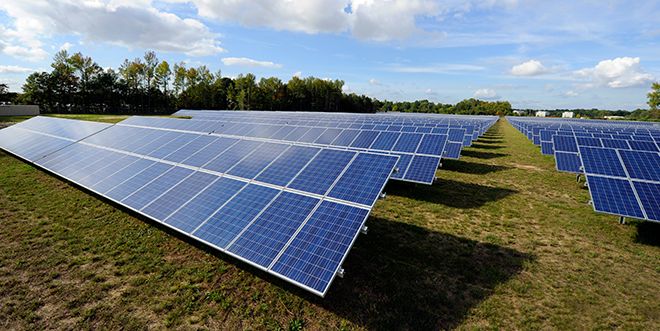
The layout determines how panels and major equipment will use the available land. Engineers consider panel orientation, tilt, row spacing, shading, terrain, grading, and access. Panels placed too closely can create shading and access issues, while excessive spacing reduces available generating capacity. The final layout should balance land use, production, construction needs, and accessibility.
7. Complete the Civil and Structural Design
Civil and structural planning determines how the solar system will work with the property’s physical conditions. Engineers consider terrain, foundations, structural loads, drainage, roads, slopes, and construction access. Addressing these factors before installation can help avoid situations where difficult terrain interferes with mounting structures, equipment access, or water movement across the site.
8. Create the Electrical Design for Solar for Farm Projects
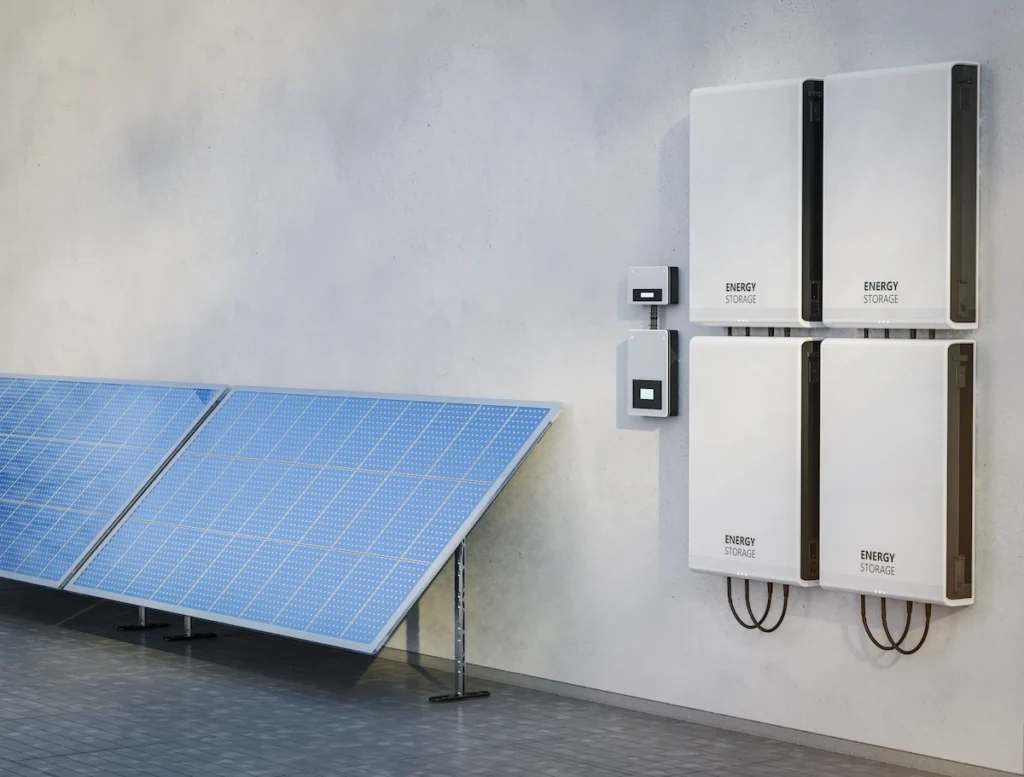
Electrical design determines how power moves from the solar modules through cables, inverters, transformers, and ultimately the grid connection. Equipment placement should minimize unnecessary cable runs and electrical losses while remaining compatible with the physical layout. Developing the electrical and mechanical designs together helps create a more practical and coordinated solar farm system.
9. Estimate the Expected Energy Yield
Energy modeling estimates how much electricity the completed solar farm could generate. Calculations consider sunlight, weather, shading, terrain, module technology, tracking configuration, inverter performance, system losses, and downtime. NREL provides additional information on factors affecting utility-scale solar capacity. If projected production is insufficient, the proposed design can be adjusted before construction.
10. Construct and Commission the Solar Farm
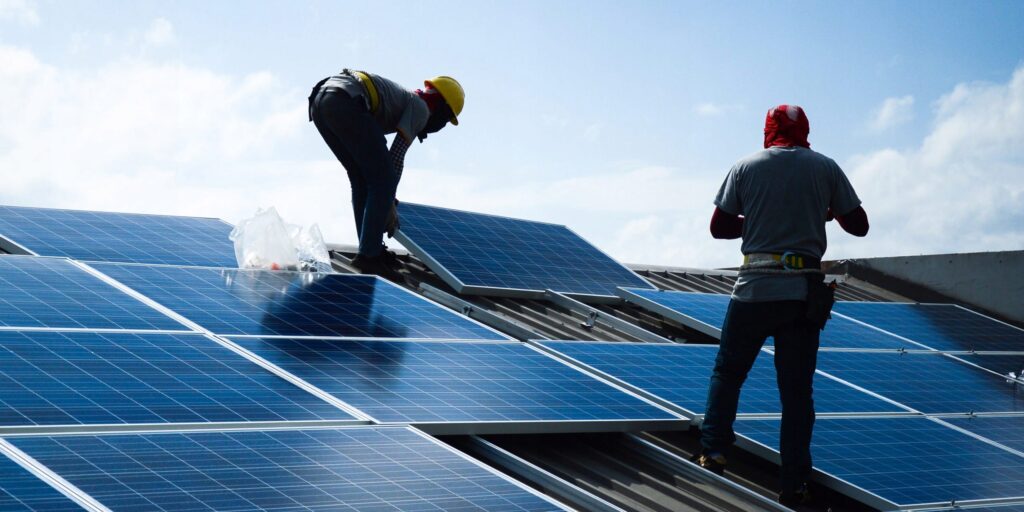
After designs and approvals are completed, construction can begin. Work generally includes site preparation, civil works, foundations, racking, panel mounting, electrical cabling, inverters, and transformers. Once installation is finished, testing and commissioning verify that major components and electrical systems operate according to the project design before the solar farm moves into normal operation.
11. Maintain and Monitor Farm Solar Panels
Solar farms require continued monitoring and maintenance after commissioning. Routine work can include inspections, equipment maintenance, vegetation management, troubleshooting, and panel cleaning when necessary. Monitoring actual electricity production against expected performance can also help operators identify equipment faults, shading, inverter issues, or other conditions that may reduce the system’s output over time.
Main Stages of Building Solar for Farm Projects
Once the solar farm has been designed, the project moves through planning, financing, permitting, procurement, engineering, construction, testing, and operation.
Project planning establishes the proposed location, system capacity, energy objectives, and financial goals. Financing and permitting then address the capital required for development and the applicable land-use, environmental, construction, electrical, and interconnection approvals.
Procurement and engineering involve sourcing the required modules, mounting systems, inverters, transformers, cabling, and other equipment while completing the detailed project designs. Construction then turns these plans into the physical solar farm.
After installation, functional testing and commissioning confirm that major components operate correctly. Once the system is operational, monitoring, performance analysis, maintenance, record-keeping, and regulatory compliance become part of its long-term management.
How Much Does It Cost to Build a Solar Farm?
The cost of building a solar farm varies considerably between projects. System capacity, solar panel technology, mounting or tracking systems, land conditions, site preparation, electrical equipment, grid connection requirements, labor, permitting, and infrastructure can all affect the final investment.
A project on relatively straightforward terrain close to suitable electrical infrastructure can have very different costs from a similarly sized project that requires extensive civil work or longer electrical connections.
For this reason, broad cost-per-watt or cost-per-megawatt estimates should not be treated as final project budgets. A more accurate estimate should be developed around the actual site, equipment, system design, labor requirements, permitting conditions, and interconnection needs.
Why Choose RAR Energy for Farm Solar Panels in Minnesota?
Building a solar project requires coordination from the initial concept through engineering, installation, and long-term operation. RAR Energy provides solar services for agricultural properties and develops solutions around the specific energy requirements of each project.
RAR Energy offers a turnkey approach that includes consultation, design, engineering, procurement, construction, installation, and ongoing operation and maintenance support. The company also provides financing options, system estimates, solar monitoring, and warranty support.
For agricultural property owners exploring farm solar panels in Minnesota, working with one provider across these stages can make it easier to coordinate the project from initial planning through installation and ongoing operation. Contact us to discuss your property, energy requirements, and solar project with the RAR Energy team.
Conclusion
Building a solar farm requires careful planning from the earliest feasibility assessment through construction and long-term operation. Developers and landowners need to evaluate the site, determine an appropriate system size, assess available solar resources, choose suitable technology, and complete the necessary civil and electrical designs before installation begins.
Energy modeling can help confirm whether the proposed system is likely to meet its performance objectives, while commissioning, monitoring, and maintenance support reliable operation after construction. For farmers considering solar for farm applications, approaching each stage carefully can help create a system that works with the property’s available land, electrical infrastructure, and energy requirements. A well-planned project brings these individual stages together into a solar farm designed for effective long-term operation.