Skip to main content
Home solar panels take sunlight and turn it into electricity your home can use every day. For homeowners considering solar panels in Rochester, MN, understanding the process makes choosing the right system much easier.
From capturing sunlight on your roof to converting that energy into usable power, each component works together behind the scenes. Once installed, the system operates automatically during daylight hours, helping power your home while reducing how much electricity you may need from the grid. It is a simple idea powered by smart technology and careful system design.
What This Guide to Solar Panels in Rochester Covers
If you are considering solar for your home, this guide gives you the basics you need before making a decision. You will learn how solar panels in Rochester generate electricity, which system components matter most, how extra power is handled, and what to review before installation. It is designed to help you understand the process clearly so you can compare your options with more confidence.
How Do Solar Panels in Rochester, MN Generate Electricity?
Solar panels use photovoltaic cells to turn sunlight into direct current electricity. An inverter then converts that power into alternating current electricity, which your home can use.
Here is the basic process:
- Sunlight reaches the panels. Solar cells absorb sunlight and produce DC electricity.
- The inverter converts the power. DC electricity is changed into AC electricity.
- Your home uses the electricity. The power moves through the electrical panel to your lights, appliances, and outlets.
- Extra power is managed. Surplus electricity may be stored in a battery or sent to the utility grid.
For homeowners installing solar panels in Rochester, Minnesota, this process happens automatically whenever the system is producing electricity.
What Are the Key Components of Solar Panels in Rochester?
Each part of a home solar system has a specific job. Knowing what these components do makes it easier to compare different systems before making a decision.
-
Solar Panels
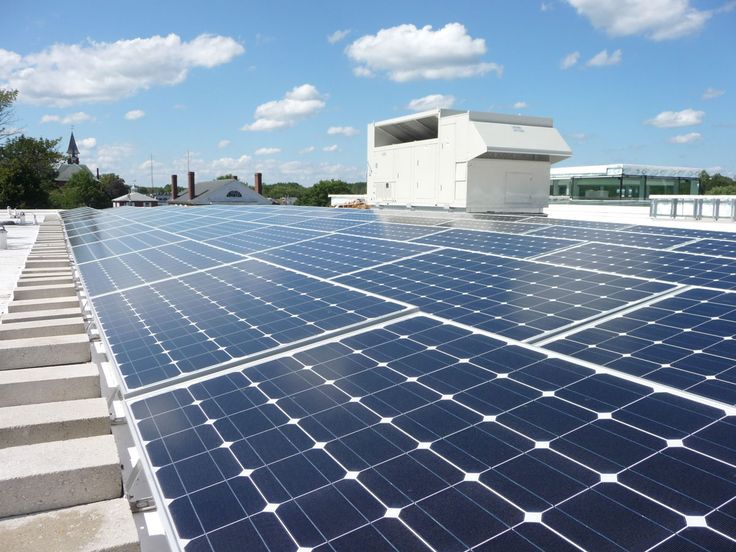
Solar panels capture sunlight and generate electricity through photovoltaic cells.
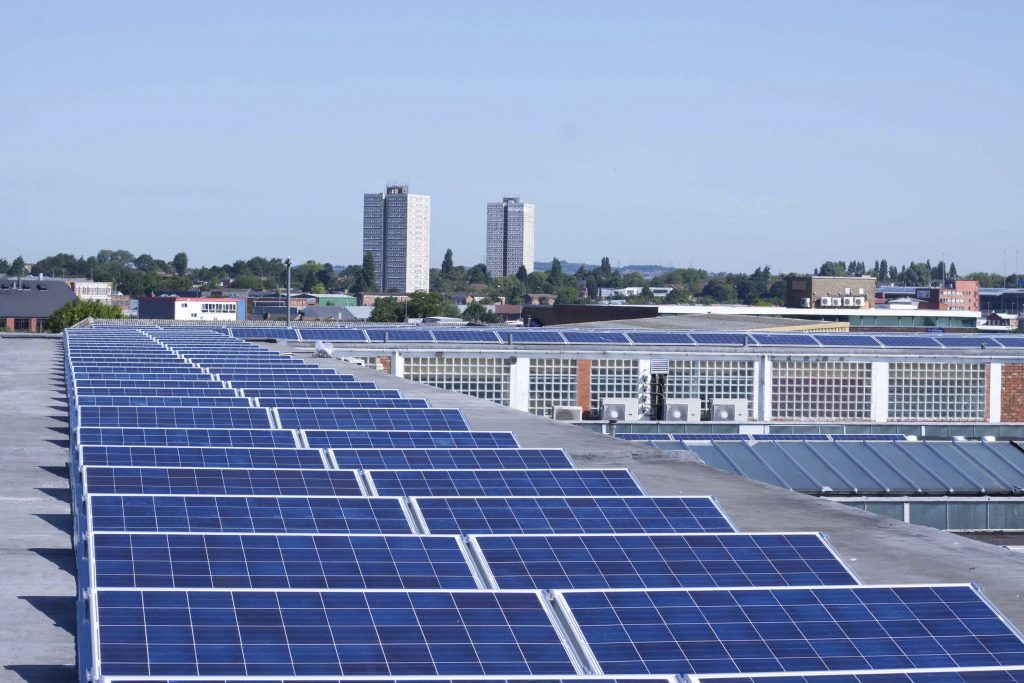
The number and type of panels needed depend on your roof space, sunlight exposure, electricity use, and budget. For solar panels in Rochester, MN, roof direction and shading can also affect how much energy the system can produce.
-
Inverters
The inverter takes the DC electricity generated by your panels and converts it into AC electricity that your home can use. There are a few common inverter setups.
1. String Inverters
A string inverter connects several panels to one central inverter. This option can work well when the panels receive similar sunlight and are installed on a roof with a fairly simple layout.
2. Power Optimizers
Power optimizers are attached to individual panels but still work with a central inverter. They can help when some panels receive more shade than others or when the roof has different orientations.
3. Microinverters
Microinverters are installed directly with individual solar panels. Each panel converts its own electricity, which can be useful when parts of the roof receive different amounts of sunlight.
4. Main Electrical Service Panel
Once electricity is converted into AC power, it moves to your home’s main electrical panel. The panel then sends electricity to different circuits throughout the house. Depending on the age and capacity of your current electrical system, an upgrade may be needed before installing solar panels in Rochester, Minnesota.
5. Solar Monitoring System
A monitoring system lets you see how much electricity your solar panels are generating. Some systems allow homeowners to check production from an app or online dashboard. This makes it easier to notice if performance changes or drops unexpectedly.
6. Optional Battery Storage
A solar battery stores extra electricity generated during the day so you can use it later. It may be useful if you want backup power, want to use more of your own solar electricity, or prefer having stored energy available when solar production is low.
Homeowners considering solar panels in Rochester, MN should decide whether battery storage fits their actual energy goals before adding it to the system.
What Happens to Extra Electricity From Solar Panels in Rochester, MN?
Your solar system may sometimes generate more electricity than your home is using. If you have a battery, some of that extra electricity can be stored for later. Without battery storage, surplus electricity may be sent back to the utility grid depending on your system and utility setup.
Utility programs and compensation rules can vary, so homeowners with solar panels in Rochester should check current local requirements before assuming how excess electricity will be handled. The right setup depends on how much electricity your home uses, when you use it, and whether you want battery storage.
What Should You Check Before Installing Solar Panels in Rochester?
Before choosing panels, it helps to look at your home as a whole.
1. Check Your Roof
Your roof is one of the first things to evaluate. Its condition, direction, available space, slope, and shading can all affect solar performance.
2. Review Your Electricity Usage
Look at your recent utility bills to understand how much electricity your household normally uses. This gives the installer a better idea of how large the system should be. A household with higher energy use may need more panels than a smaller home with lower consumption.
3. Think About Future Energy Needs
Your electricity use may change over time. If you plan to add an electric vehicle, heat pump, hot tub, home addition, or other high-energy equipment, mention that before your solar system is designed.
4. Decide Whether You Want Battery Storage
Think about whether you want backup power, greater use of your own solar electricity, or simply a standard grid-connected setup, not every homeowner needs the same solution.
5. Understand Your Local Requirements
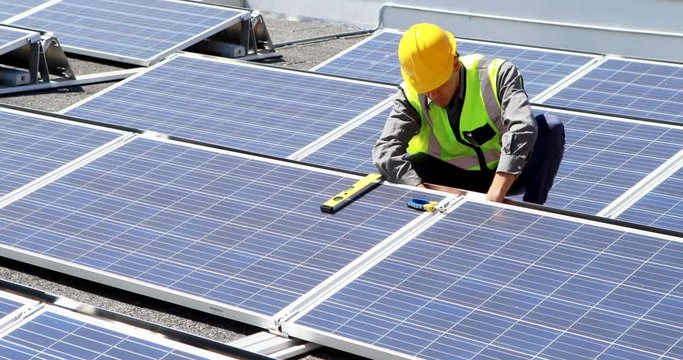
Solar installations can involve permits, inspections, electrical requirements, and utility approvals. These steps are part of the process and should be considered early rather than after the system has already been designed.
How Can You Get More From Solar Panels in Rochester, Minnesota?
Installing solar is only part of the equation. The way your system is designed and how you use electricity can also affect the value you get from it.
Try to use more electricity during the daytime when your panels are actively producing power. Running appliances such as washing machines or dishwashers during solar production hours may help you use more of the electricity you generate.
Keeping an eye on system monitoring can also help. If electricity production suddenly falls, you can identify the change earlier rather than discovering it months later. For solar panels in Rochester, Minnesota, seasonal changes are normal. Production can rise or fall throughout the year based on sunlight and weather, so it is better to look at long-term performance instead of focusing on a single day.
From Solar Planning to Installation With RAR Energy
A good solar system should fit your home, not force your home to fit a standard package. RAR Energy works with homeowners to understand their roof, electricity use, energy goals, and available space before recommending a solar solution.
If you are exploring solar panels in Rochester, RAR Energy can help with:
- Evaluating your roof and solar potential
- Planning a system around your electricity use
- Selecting quality solar equipment
- Understanding battery storage options
- Guiding you through the installation process
- Building a solution suited to Minnesota conditions
Ready to see what solar could look like for your home? Contact RAR Energy to discuss your property and explore the right solar setup for your needs.
Conclusion
Home solar systems work through a simple chain. Solar panels capture sunlight, the inverter converts the electricity, and your electrical panel sends that power throughout your home. Extra electricity may be stored in a battery or sent to the grid.
For homeowners considering solar panels in Rochester, MN, the biggest decisions usually come down to roof conditions, electricity usage, system size, inverter type, battery storage, and future energy needs.
Understanding these basics before installation makes it easier to choose a system that actually fits your home. RAR Energy can help you plan a solar setup around your property, energy goals, and long-term needs.