Introduction
The global shift toward renewable energy is reshaping nearly every industry and agriculture is no exception. As fuel prices rise, supply chains fluctuate, and climate concerns continue to mount, farmers are increasingly turning to solar agriculture equipment to power tractors, harvesters, irrigation systems, and other essential farm machinery.
With the solar farm equipment market expected to reach $1.2 billion by 2030, farmers are realizing the economic, environmental, and long-term operational benefits of solar-based energy systems. Innovations in photovoltaics, battery storage, and electric farm vehicles are accelerating this transition faster than ever.
This guide explores everything farm owners and agricultural managers need to know about implementing agricultural solar solutions, from system types and benefits to real-world case studies and future trends.
Understanding Solar Power in Agriculture
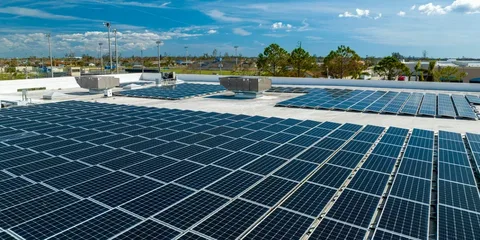
Solar energy has long played a role in powering off-grid homes and businesses, but its integration into agricultural operations has recently surged due to advancements in photovoltaic farm equipment, battery technology, and precision agriculture systems.
Solar works in agriculture by:
- Capturing sunlight through photovoltaic panels
- Converting sunlight into electricity
- Storing or distributing energy to equipment, buildings, pumps, and vehicles
What is Agrivoltaics?
Agrivoltaics, also called agrophotovoltaics, refers to using the same land for both crop production and solar energy generation. This dual-use system helps farmers:
- Maximize land efficiency
- Reduce water evaporation
- Improve crop resilience
- Generate energy while still producing food
Agrivoltaics is gaining momentum globally, driven by research from institutions like the Fraunhofer Institute for Solar Energy Systems and the American Solar Grazing Association.
The Evolution of Solar Technology in Farming
Solar technology has evolved significantly:
- Early systems powered simple water pumps
- Next came solar lighting and small off-grid tools
- Today, farms use solar to run heavy machinery, irrigation networks, sensors, tractors, cooling systems, and autonomous equipment
Solar panel efficiency has increased by 15% year-over-year, while battery storage has become more affordable and powerful.
Types of Solar Systems for Farm Equipment
-
Grid-Tied Systems
- Lower cost
- Excess power sent to the utility grid
- Ideal for farms with consistent grid access
-
Off-Grid Systems
- 100% independent
- Requires batteries
- Best for remote or rural regions
-
Hybrid Systems
- Combines grid power + battery + solar
- Offers maximum resilience
Each system supports different levels of agricultural operations depending on energy demands and land availability.
Benefits of Transitioning from Fossil Fuels to Solar Power
Switching from diesel to solar offers enormous advantages for farmers seeking renewable energy for agriculture.
Economic Benefits and ROI
- Farmers save 20–30% on fuel costs annually using solar agriculture equipment.
- A California vineyard cut tractor fuel costs by 50% after switching to solar-powered models.
- An Ohio dairy farm reduced utility and irrigation costs by 30% with solar-powered pumping and milking systems.
- Federal and state incentives, including USDA REAP grants, reduce upfront costs.
Long-term savings include:
- Reduced fuel expenses
- Lower equipment maintenance
- Little to no operational downtime
Environmental Impact and Sustainability
Solar-powered farm machinery can reduce carbon emissions by up to 90%, dramatically lowering a farm’s environmental footprint.
Key sustainability gains include:
- Reduced air pollution
- Improved soil health from fewer fuel leaks
- Support for carbon-neutral farming initiatives
- Cleaner and quieter operations
Energy Independence for Remote Farming Operations
For rural or off-grid farms, solar provides:
- Reliable power
- Reduced dependence on fuel deliveries
- Greater control over operational continuity
This leads to greater agricultural energy independence and improved long-term resilience.
Solar-Powered Farm Vehicles and Machinery
Solar energy powers a growing range of farm equipment, enabling cleaner, quieter, and more efficient operations.
Solar-Powered Tractors: Technology and Implementation
Companies such as Monarch Tractor, Solectrac, and John Deere are leading the charge in electric and solar-integrated tractors.
Solar tractor benefits:
- Zero emissions
- Lower fuel and maintenance costs
- Ideal for orchards, vineyards, and small to mid-sized farms
Some systems use:
- Solar charging stations
- Solar canopy attachments
- Dual-charging setups (grid + solar)
Harvesters and Processing Equipment
Solar can now power:
- Harvesting machines
- Conveyor systems
- Sorting and packing equipment
- Cold storage and processing units
This enhances farm energy efficiency while reducing reliance on diesel generators.
Irrigation Systems and Solar Integration
Solar irrigation systems include:
- Solar water pumping
- Automated irrigation controllers
- Battery-powered sensors
These systems help manage water resources efficiently, especially in drought-prone regions.
Electric Micro-Tractors and Small Farm Solutions
Electric micro-tractors powered via solar stations are growing in popularity among:
- Small organic farms
- Greenhouse growers
- Urban agriculture operations
Their compact design minimizes soil compaction and supports regenerative agriculture practices.
Implementation Guide: Getting Started with Solar Farm Equipment
Transitioning to solar requires proper planning. Here’s a step-by-step guide.
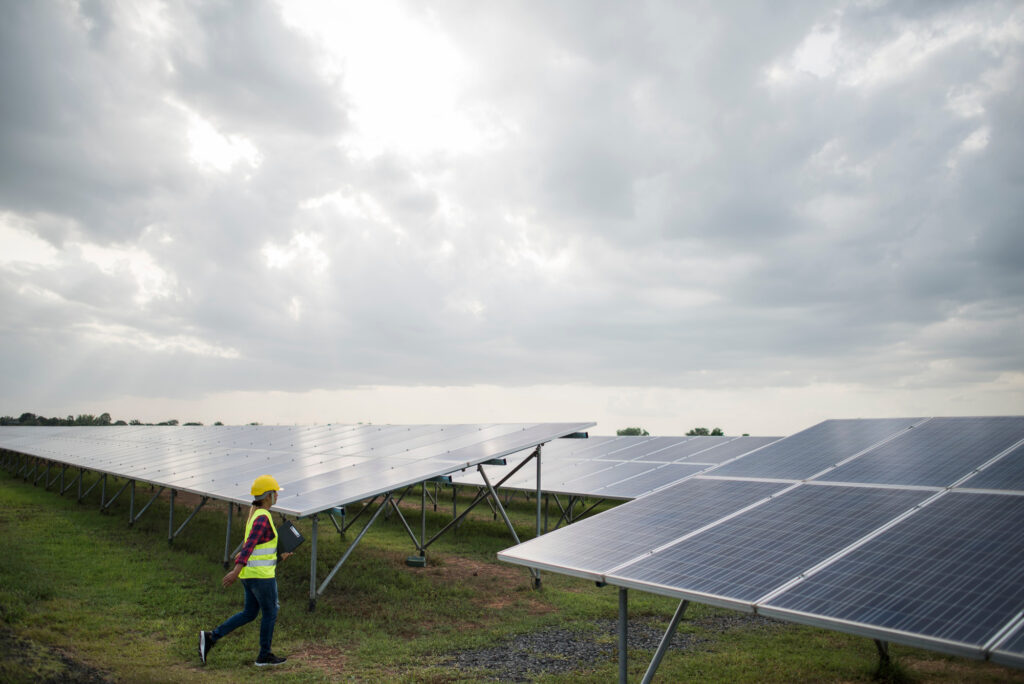
Assessing Your Farm’s Solar Potential
Farmers should evaluate:
- Location sunlight exposure
- Equipment energy demands
- Roof or land area for panels
- Battery storage needs
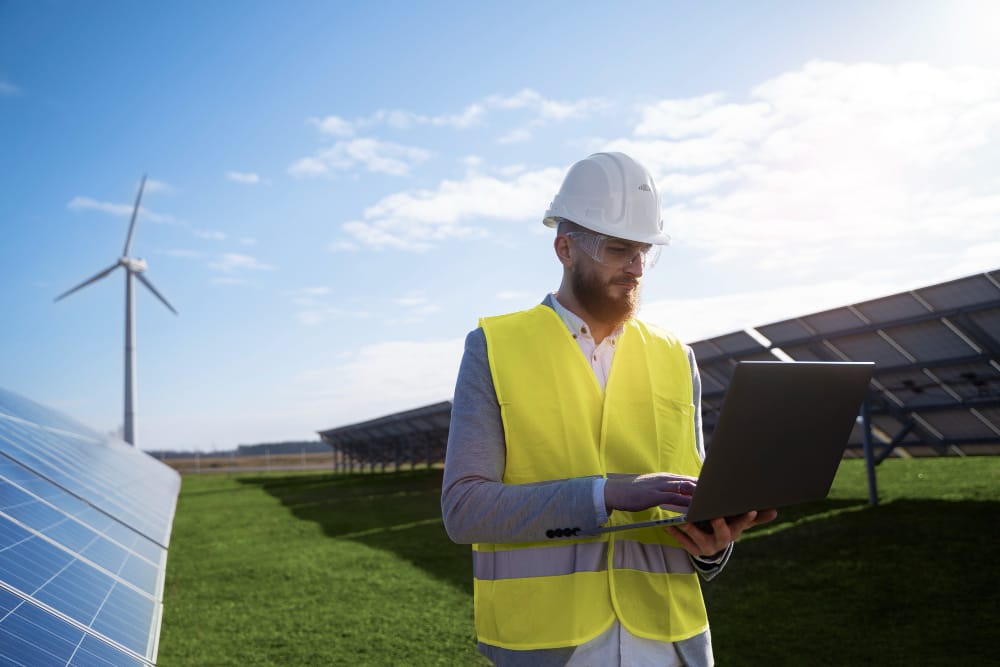
Tools like the NREL PVWatts Calculator provide precise energy predictions.
Financing Options and Incentives
Funding may include:
- USDA REAP grants
- State solar tax credits
- Federal Investment Tax Credit (ITC)
- Low-interest agricultural energy loans
- Utility rebate programs
These incentives significantly improve solar ROI for farms.
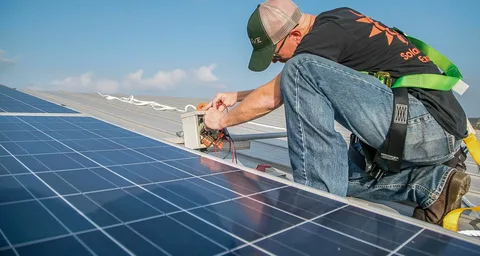
Installation Considerations and Best Practices
Farmers must consider:
- Panel tilt and orientation
- Dust and debris exposure
- Weatherproof mounting
- Tractor and equipment clearance
- Smart energy monitoring systems
Proper planning ensures maximum generation and minimal operational disruption.
Maintenance Requirements and Longevity
Solar systems require minimal maintenance, mostly involving:
- Occasional panel cleaning
- Annual inspections
- Battery health checks
Panels typically last 25–35 years, while modern lithium batteries last 10–15 years.
Addressing Common Challenges and Concerns
Even with major benefits, some farmers have questions before adopting solar.
Weather Dependency and Battery Storage Solutions
Advancements in solar battery storage for farms, including:
- Lithium-ion
- Flow batteries
- Modular storage systems
…ensure energy supply even during cloudy weather or nighttime operations.
Land Use Considerations
Agrivoltaics solves land-use concerns by enabling:
- Simultaneous crop production
- Grazing livestock under panels
- Soil moisture retention
Dual-use farming maximizes land profitability.
Integration with Existing Farm Operations
Solar integrates easily with:
- Existing barns or sheds
- Equipment charging zones
- Remote fields using mobile solar power units
Most installations require no major workflow changes.
Soil Health and Crop Impact
Solar panels can help:
- Reduce soil erosion
- Improve microclimates
- Increase biodiversity around arrays
Proper design ensures minimal crop disruption.
Case Studies: Success Stories from Solar-Powered Farms
Small-Scale Farm Transformation
A small Midwest vegetable farm integrated solar micro-tractors and irrigation systems, cutting annual operating costs by 22%.
Commercial Agriculture Solar Solutions
A large California vineyard adopted solar-powered tractors, reducing diesel use by half and slashing operations costs.
Specialized Crop Applications
Berry farms, orchards, and vineyards benefit from solar canopy shading, which reduces heat stress and improves crop quality.
The Future of Solar in Agriculture
Technological Innovations on the Horizon
Upcoming developments include:
- Ultra-high-efficiency panels
- Autonomous solar tractors
- Self-charging robotic harvesters
- Next-generation battery storage
These innovations will redefine agricultural electrification.
Integration with Smart Farming and IoT
Solar seamlessly powers smart farming tools such as:
- Drones
- Soil sensors
- Autonomous irrigation systems
These tools improve agricultural energy management and precision agriculture.
Policy Trends and Future Incentives
Government programs like USDA REAP and DOE clean energy initiatives continue expanding support for solar adoption, making 2026–2030 a breakout period for renewable farm operations.
Conclusion:
Solar agriculture equipment is no longer a future concept; it’s a proven, scalable solution that enhances profitability, sustainability, and long-term farm resilience. By adopting solar-powered tractors, irrigation systems, machinery, and agrivoltaic solutions, farmers position themselves for a cleaner, more efficient, and more competitive future.
Cut fuel costs, boost efficiency, and go green. Partner with RAREnergy for expert solar panel installation built for farms of every size.