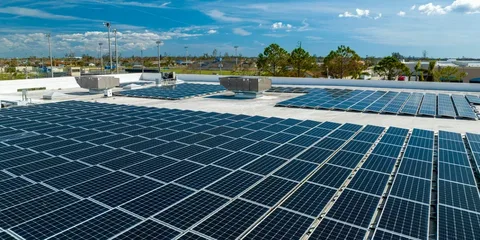
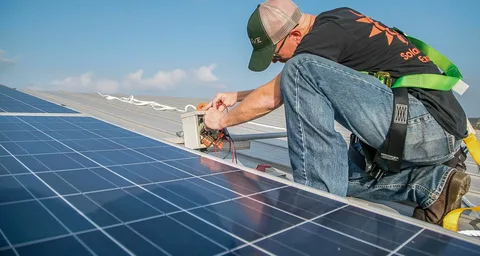
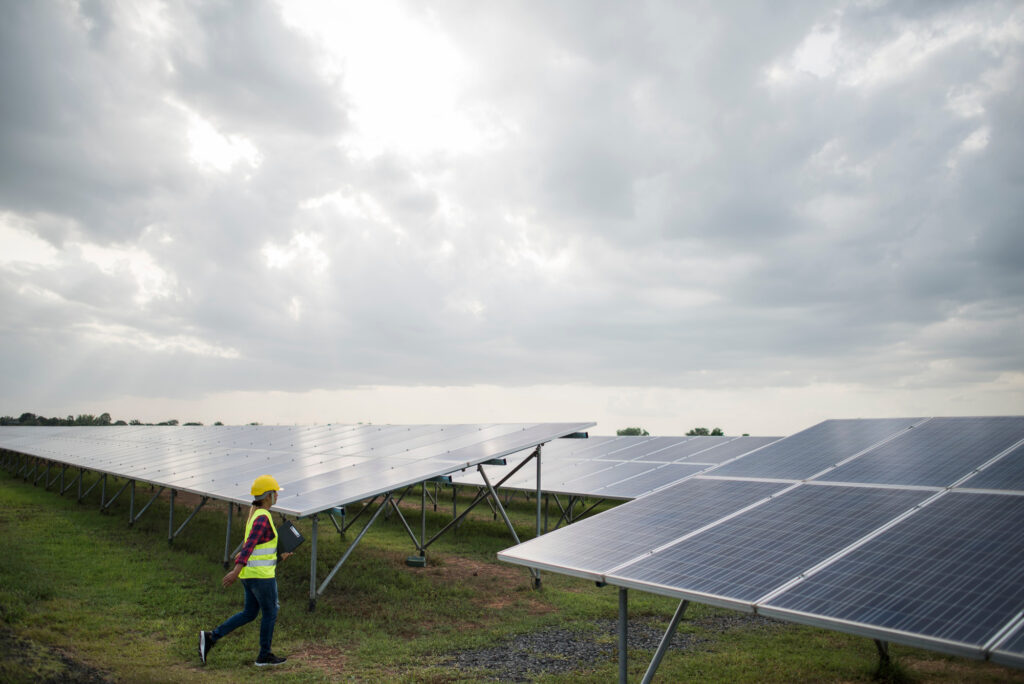
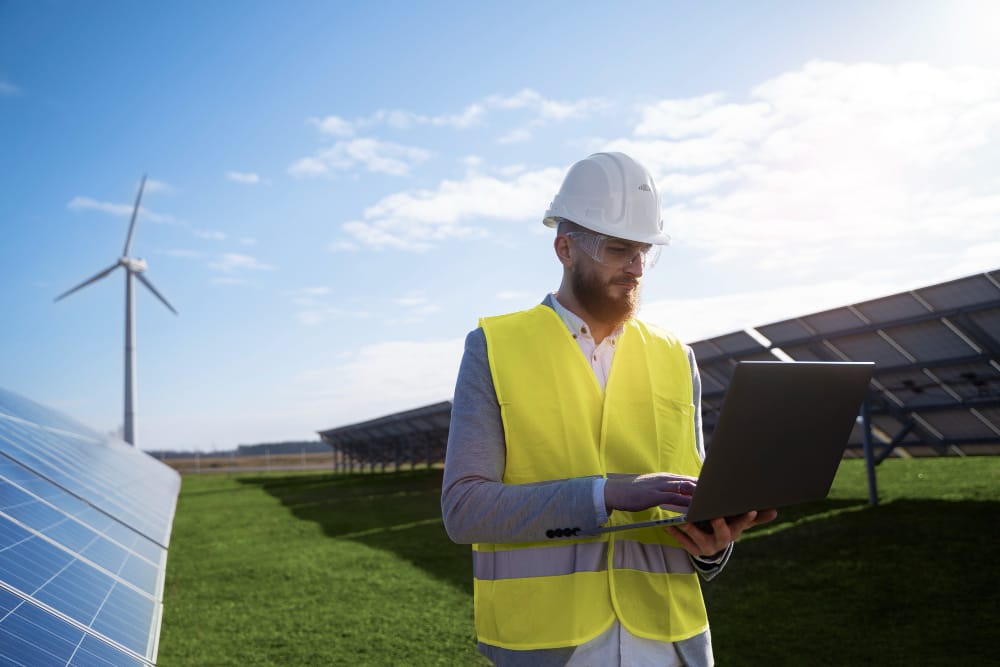
Understanding how solar panels work at night and without sunlight can be a bit challenging, as they work with the help of sunlight to produce power. How solar keeps your home and businesses working even after sunset isn’t rocket science, quite basic actually. Panels can’t generate electricity after sunset, but smart energy storage and advanced solar technology ensure continuity of power. We’ll make solar panel systems much easier to understand in this blog, breaking down how they function in the dark.
Understanding Solar Energy Basics
Photovoltaic Technology Overview
The centre of every solar panel contains photovoltaic technology. Semiconductor materials are used for PV, such as silicon. They absorb the sunlight and transform it into usable electricity. As soon as the sunlight strikes these cells, they free electrons, creating an electric current. This simple process enables solar panels to produce clean and renewable energy options.
How Solar Panels Generate Electricity
The Photovoltaic effect is used on solar panels to produce electricity. After the sunlight moves along the cells, it activates the PV cells, producing direct current electricity. The DC power produced then moves along the inverter, which further converts it into alternating current electricity. Now energy can be stored in batteries or can be used instantly.
Why Solar Panels Don’t Work at Night
Solar panels require sunlight to produce electricity. The photovoltaic cells present in the core of solar panels can’t work without sunlight. In the dark, there’s no sunlight present to activate the cells. Naturally, no energy is produced.
Moreover, this does not mean that you would have to live without power at night. Modern solutions like net metering, grid connections and solar storage can support your power needs.
Factors That Affect Solar Power Efficiency
To prevent any factors from influencing how your solar panels perform, these factors would help you get the most out of your solar system. Making sure your solar system delivers reliable and consistent power throughout the day.
Sunlight Intensity
The amount of sunlight reaching the solar panels determines the total electricity produced. Cloudy conditions can reduce the amount of electricity produced, while direct strong sunlight increases it.
Temperature
Solar panels function best in cooler conditions. Excess heat can reduce the output. In peak heat hours, the solar energy output can be reduced.
Panel Orientation and Tilt
The angle and direction, the way our solar panel is placed, also determine our solar panel’s efficiency. South-facing panels perform more efficiently.
Shading
Any kind of obstruction from trees and buildings can lower your solar panels’ output. Shade tends to lock the sunlight, not activating the cells.
System Maintenance
Clean and well-maintained panels work the best. Regular inspections and cleaning ensure proper production of electricity.
The Role of Energy Management Systems (EMS)
Monitoring Solar Production
EMS plays a really important role in tracking how much energy your solar produces all day. It analyzed real-time data to let the users know when and how the energy is being used.
Prioritizing Essential Loads
EMS has the job to provide power to the most important appliances first. Refrigerators, light and medical equipment receive the power first. This smart way ensures reliability and reduces the chances of wasting energy.
Optimizing Battery Discharge
With the help of EMS, battery usage becomes easier. It tells you the best time to use stored energy. It ensures you have backup power with you every time and extends your battery’s life.
Reducing Grid Dependency
EMS also tends to reduce your reliance on grids. It balances solar production and battery storage, helping to reduce electricity bills
Improving Solar Panel Performance
EMS also has the feature to identify any performance issues. By detecting problems early, it ensures a long life of your solar panel and maximizes efficiency.
Solar Energy Storage Solutions
Battery Systems for Solar
This is the most efficient way of storing electricity. They store excess daytime energy and utilize it at night. Modern lithium-ion batteries are considered the best choice for a long lifespan. For an affordable and transition option, lead-acid batteries work the best. They are extremely reliable, but they do require maintenance. Flow batteries use liquid electrolytes for long-term energy storage. An eco-friendly and non-toxic option is saltwater batteries. They’re safe and best for homeowners.
Stored Solar Energy
powers your home when there’s no sunlight, by storing energy inside your battery system. Keeping essential appliances in use by supplying energy.
Backup Generators
Generators act as an extra layer of protection. When long power outages happen, generators activate automatically, providing you continuous supply of power.
Grid Power
Houses connected with the grid benefit when battery power or solar runs out. With net metering, you earn credits for the extra energy you send to the grid during the day and use them at night to stay powered.
Hybrid Renewable Systems
These hybrid systems combine solar and other renewable energy systems. This secondary source takes over when solar power runs out.
Maintaining Solar Energy Storage Systems
Proper maintenance is the most crucial aspect to make your solar panels work efficiently. Correctly maintained batteries and components ensure a longer life span with reliable performance.
Checking your batteries frequently, making sure there are no signs of damage. If you’re using lead-acid batteries, check their fluid levels. Other kinds of batteries need frequent checks too, but are less likely to be damaged quickly. Keeping your batteries and inverters dust-free. Ensure proper ventilation and cool temperatures around batteries to prevent overheating. Make efficient use of the energy management system EMS, which helps you in keeping track of solar’s overall performance and identifying any problems, if found.
Arrange timely professional checkups. They can run firmware updates, check wiring and replace any component if needed. Handling your solar panel safely by following the manufacturer’s guidelines and ensuring all the protective measures are being paid attention to.
Renewable Energy Options for Nighttime Use
Renewable energy can keep your homes and businesses powered, even when there’s no sunlight available. A number of solutions provide you with clean options, making you less reliant on the grid.
- Wind energy: wind turbines can produce electricity throughout the day, as long as wind is present. Combining solar systems with wind power creates a hybrid renewable setup that provides consistent energy all day.
- Hydro power: hydro power on a small scale, using flowing water to generate electricity. Having access to a river, stream, or a water reservoir can benefit you in producing electricity at night.
- Hybrid renewable system: creating a robust system by combining different kinds of renewable energy sources. This option enhances energy security and reduces dependency on fossil fuels.
Hybrid Systems and Their Benefits
Hybrid systems blend two or more renewable energy systems. By overcoming the shortcomings of individual power sources, we aim to provide you with a dependable and smooth power supply.
- Flexibility: Hybrid systems offer a flexible solution for evolving customer demands. You can add additional storage or solar panels, tailoring it exactly to your needs.
-
Optimized System Performance: EMS helps track energy flow and monitor hybrid systems. Keeping a check on all batteries being charged and discharged efficiently
- Cost efficiency: hybrid setups may cost you a dime initially, but in the long term, they can save you energy expenses.
- Environmental benefits: By minimizing carbon emissions and reducing reliance on fossil fuels, it helps create a cleaner environment.
Clean Energy Solutions for Off-Peak Hours
Clean energy can keep your supply running without any hurdles, even when there’s no sunlight. Stored solar power in batteries, whether lithium-ion, lead-acid, flow, or saltwater, can be utilized after sunset, while wind and small-scale hydropower provide a steady flow of electricity. In order to achieve less reliance on the grid, you can combine the renewable energy sources into a hybrid system to enjoy a consistent and sustainable electricity supply.
Sustainable Living Practices and Energy Independence
Adapting sustainable living practices acts as a partner in achieving energy independence. By using renewable energy sources like solar, wind, or hydropower, storing extra energy in batteries, and being mindful of how we use electricity, we can rely less on the grid and lower our carbon footprint. By adopting simple everyday habits like using energy-efficient appliances, smart thermostats, and turning off unused devices work alongside technology to create a self-sufficient, eco-friendly lifestyle. These practices not only save money but also make a real difference for the planet.
Achieving Energy Independence with Solar Panels
Solar panels act as a very crucial tool in achieving energy independence. Replying less on grids and ensuring lower energy bills by producing your own electricity. The collaboration of solar panels with battery storage helps you in achieving electricity even on cloudy and hazy days. By managing energy smartly and providing energy to essential appliances, one can ensure a consistent power supply. Purchasing solar panels can help you attain a sustainable future.
The Importance of Solar Panel Maintenance
To increase solar power efficiency and its use, one should keep their solar panels properly maintained. Dust, dirt and other obstructions tend to minimize energy production and reduce your panels’ life span. Keeping your solar panels up to date and repairing them timely manner can help you attain reliable power from your solar setup. Preventing costly problems by solving the minor issues instantly.
Conclusion
Solar panels fail to deliver a power supply after sunset; this is where modern systems provide sufficient help. Providing you with energy at all times of the day through modern methods and ways. Battery storage, smart energy management systems, hybrid systems, and complementary renewable sources assist in providing a consistent power supply while being safe. In order to run solar panels efficiently, make sure proper maintenance is done, and sustainable practices are being done frequently. In order to enjoy energy independence, one should understand these modern solutions and make use of them efficiently, making your life easier and cleaner. Saving on electricity bills and embracing living in a sustainable lifestyle.