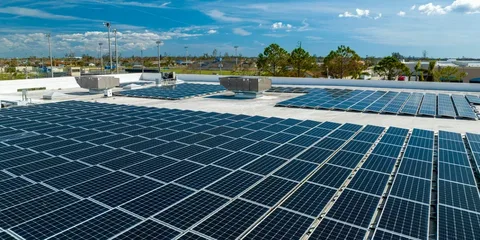
Solar panel maintenance is the non-negotiable routine of cleaning, visual inspections, and electrical diagnostics necessary to keep your system performing at its best. A professional solar panel maintenance checklist should be followed semi-annually, prioritizing safety, physical cleaning, and verifying the health of the solar inverter to protect your investment and maximize energy generation.
Why Solar Panel Maintenance Matters
If you have invested a large amount of money in a solar system, you want it to work perfectly for decades, right? That’s where routine upkeep comes in. Consider solar maintenance as essential insurance for your system’s performance. Neglecting it is literally costing you money every day.
– Maximizing Energy Efficiency
Believe it or not, a little layer of dust, pollen, or bird droppings can dramatically reduce your output. Studies in dusty climates show that simple dirt accumulation can lead to efficiency losses of 15% to 30% or more! Regular cleaning is a core part of any solar panel maintenance checklist, eliminating that problem, ensuring you capture every possible photon.
– Extending Panel Lifespan
Solar panels are built to last, but even the smallest flaw can create a big problem. Routine checks catch issues like frame corrosion, micro-cracks (often caused by thermal stress), or stop breakdown before they permanently degrade the panels.
– Preventing Costly Repairs
Most of the time, expensive repairs start as small, preventable issues a loose wire connection causing excessive heat, or a pest chewing through insulation. Scheduled maintenance identifies these ticking time bombs, turning a potential $2,000 inverter replacement into a quick, low-cost fix.
– Optimizing Solar Inverter Performance
The inverter is the main part of your system, converting raw DC power into usable AC electricity. It needs clean air, functional cooling fans, and up-to-date systems. Regular solar inverter maintenance ensures this component operates efficiently and doesn’t become a bottleneck for your power generation.
– Boosting Return on Investment
A homeowner who spends a small amount on annual maintenance (often $150–$400) sees higher energy production, translating into greater monthly savings. This guarantees a stronger Return on Investment (ROI) over the system’s lifetime.
Pre-Maintenance Preparation: Staying Safe and Equipped
You can’t start working without a solid safety plan. Remember, you’re dealing with high-voltage electricity and rooftop hazards.
– Turn Off Your Solar System
Before climbing a ladder or touching any wire, locate your system’s AC and DC disconnect switches (usually near the inverter) and turn off your solar system completely. Lockout procedures are non-negotiable, even for simple cleaning.
– Wear the Right Safety Gear
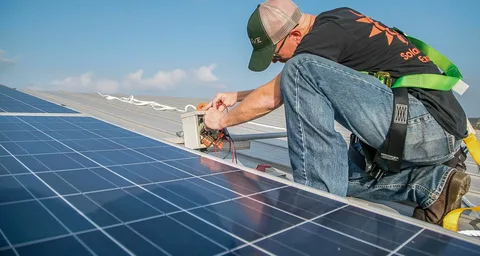
If you’re on the roof, you absolutely need a stable ladder, non-slip footwear, and, ideally, a fall protection harness system secured to an anchor point. For electrical checks, use insulated rubber gloves and safety glasses.
– Choose the Right Tools
Do not use a pressure washer, as it can damage the glass seal and anti-reflective coating! For cleaning, use a garden hose with a smooth, gentle flow and a soft-bristle brush or squeegee on an extension pole.
– Inspect Weather Conditions
Timing is everything for your solar panel maintenance schedule. Always aim for an overcast day or the early morning/late afternoon. Spraying cold water onto panels that have been baking in midday sun can cause thermal shock, potentially leading to hard-to-see micro-cracks.
Performance Testing for Optimal Energy Output
Want to know if you’re getting the power you paid for? You need to test, not guess.
– Measure Energy Output
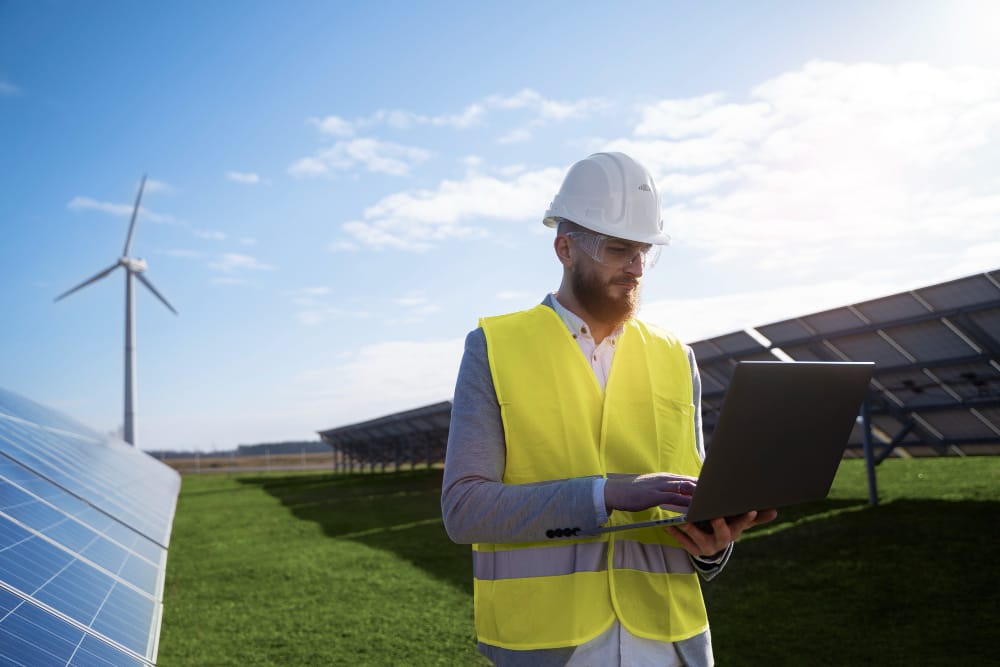
Start by looking at the numbers on your monitoring app. Are you hitting the expected output for the weather? A long-term 10% dip suggests something is wrong and needs a closer look.
– Inspect the Solar Inverter
Give your inverter a visual check: is it making loud, strange noises? Are there any error messages flashing? Keep the area around it free of dust and debris to prevent overheating.
– Detect Hotspots
This is typically a job for a professional using a thermal camera. Hotspots indicate a faulty cell or persistent localized shading (like dirt or a permanent shadow). They can seriously reduce power output and pose a fire risk.
– Verify Voltage and Current
A professional uses a multimeter to measure the Open Circuit Voltage (Voc) and Short Circuit Current (Isc). If these readings are way off the manufacturer’s specification, it flags a severe issue within the panel string that needs urgent attention.
– Monitor Battery Performance
If you have solar battery storage, you need to watch its brain, the Battery Management System (BMS). Track key metrics like State of Charge (SOC) and Depth of Discharge (DOD) to ensure it’s charging and cycling correctly without undue stress.
Electrical System Maintenance
Safety and efficiency reside in the wires and connections.
– Inspect Cables and Connectors
Get under the array and look closely at the wires. Are any hanging loosely? Are there signs of UV degradation, like cracking or fading insulation? Ensure all MC4 connectors are properly seated and watertight. Loose connections are the number one cause of fire hazards!
– Examine Junction Boxes
Open the inverter and any combiner boxes. Check inside for signs of corrosion, melted plastic, or insect nests. These boxes protect the core of your system, and any damage here means big trouble.
– Test Voltage and Current
Electrical testing confirms the integrity of the entire system, ensuring no hidden resistance or failures are draining your power.
– Check Grounding Wires
All system components must be correctly earthed. Verify that all grounding conductors are intact and securely bolted to the racking. This protects the system from lightning strikes and prevents electrocution hazards.
– Inspect Insulation
Any spot where the wire insulation is compromised needs immediate replacement. Exposed wiring is an absolute electrical hazard on your roof.
– Battery Maintenance
If you have older flooded lead-acid batteries, you must check the electrolyte levels monthly and top them up with distilled water. If you have modern lithium batteries, your job is easier: keep the room temperature stable (no extreme heat!) and ensure the ventilation is perfect.
Post-Maintenance Review
The job isn’t done until you’ve documented the results and confirmed everything is working better than before.
– Recheck Energy Output
Turn the system back on and watch the monitor. Did your power generation jump immediately after cleaning and inspection? If so, great! If not, a professional needs to investigate further.
– Verify All Tools and Equipment Are Removed
A simple step, but easily overlooked: make sure no loose hardware, tools, or cleaning materials are left on the roof. They can cause shading or even fall off and cause injury.
– Document Findings and Actions Taken
Keep a paper or digital log. This is your crucial solar panel maintenance checklist record. Note the date, the cleaning method, any component replacements, and the performance readings. This documentation is mandatory for keeping warranties valid.
– Test the Inverter and Connections
Watch the inverter’s status lights; they should be green and steady. Check that the AC disconnect is fully engaged and the unit is communicating successfully with the monitoring app.
– Inspect Battery Performance (if applicable)
Confirm the battery is initiating its charging cycle normally and is not generating any new error messages in its management system.
– Check for Any Remaining Issues
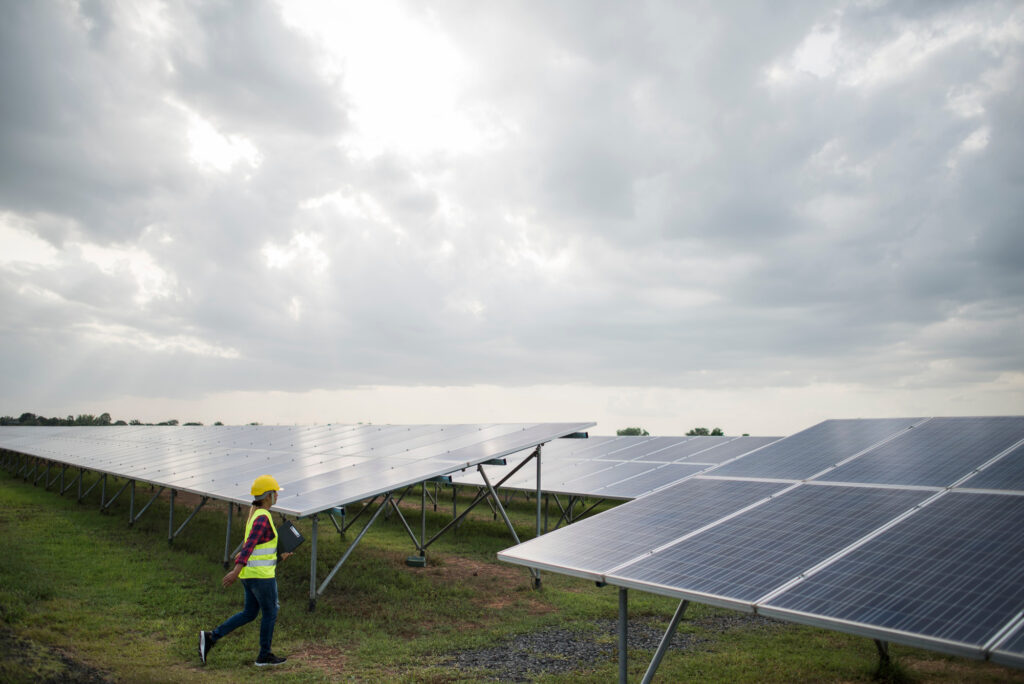
Take a final, slow walk-around the property. Are there new shadows from a rapidly growing tree? Are gutters cleared? Every small detail counts.
FAQs
1. How often should I perform full solar panel maintenance?
The consensus is that a full visual cleaning and inspection two to four times per year is best, particularly in areas with high dust, pollution, or pollen. A professional electrical deep inspection should happen at least once annually to safeguard against hidden faults and maximize system longevity.
2. Can I clean my solar panels myself?
Basic surface cleaning is fine for homeowners, but you must use safe, approved methods like a soft brush, mild soap, and a low-pressure hose, and always prioritize rooftop safety! Leave all complex electrical inspections and repairs, like testing voltage or fixing wiring, strictly to a certified technician.
3. How much does professional solar maintenance cost?
For a typical residential system, you should budget for an annual professional service in the range of $150 to $400 USD. This modest annual fee is quickly returned through the 15-25% jump in efficiency and the avoidance of much more expensive emergency inverter or panel replacements.
4. Do I need to clean my panels if it rains often?
Rain can leave behind mineral deposits and often fails to wash away sticky pollutants like bird droppings or tree sap. Manual cleaning ensures the anti-reflective coating on your panels remains spotless and efficient.
Conclusion
Choosing solar is a smart move for your finances and the environment. Routine solar panel maintenance is your simplest, most effective strategy for maximizing your energy output and guaranteeing your system provides decades of safe, clean power. Don’t wait for the power output to drop; be proactive.
Ready to ensure peak performance? Contact us at RAR Energy, a certified local solar professional, today to schedule your comprehensive annual solar panel inspection