Skip to main content
TL;DR
This is the biggest worry for anyone with land: Do solar farms damage the soil? The simple answer? Not at all, provided they’re done right! Honestly, they usually improve it. Think of the panels as giant parasols for your field. They boost moisture, stop erosion, and create a cool, stable little microclimate where those beneficial microbes and pollinators absolutely thrive. The real magic isn’t the solar structure; it’s what a smart farm solar panel company in Minnesota insists on planting beneath them, things like native seeds and pollinator strips.
Introduction
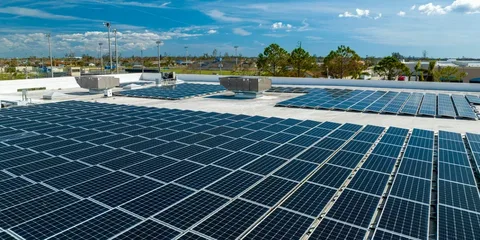
The future of energy is now showing up right here on our fields in the form of massive field solar panels. It sparks this huge, necessary conversation, and there’s one question that keeps everyone up at night, right? Do solar farms damage the soil?
Look, for us, the land isn’t just dirt. It’s our legacy, our inc our future. So, when a proposal lands on your table, you need the whole story. Solar farms: good or bad? We’re not just talking about clean energy; we’re asking if we’re trading future productivity for a short-term lease payment. This guide is going to cut through all the noise and show you the science behind the true environmental impact of solar farms, addressing all those \text{solar panel farms problems} while highlighting the incredible opportunities for better soil health and smart farming.
Do Solar Farms Damage the Soil?
That deep-seated fear that big field solar panels will turn fertile land into some inert wasteland? It’s completely understandable, but it misses the scientific reality of what happens when the sun gets blocked.
The Source of the Myth: The idea of “damage” usually stems from bad construction—think heavy machinery compacting the ground, or cheap developers spraying harsh chemicals to kill off all vegetation. That’s a land management failure, not a solar panel flaw.
What the Scientists Say: Once installation is complete, studies show the land essentially enters a long-term rest phase. The shade mimics a naturally sheltered area. Research from leading universities, including work done on farms, indicates that soil under solar arrays often shows higher levels of organic carbon and retains much more moisture compared to the baked, exposed field next door.
How Solar Panels Affect Soil Health
The panels’ physical presence totally changes the microclimate, leading to definite, measurable gains for the soil:
-
Moisture Retention and Temperature Control
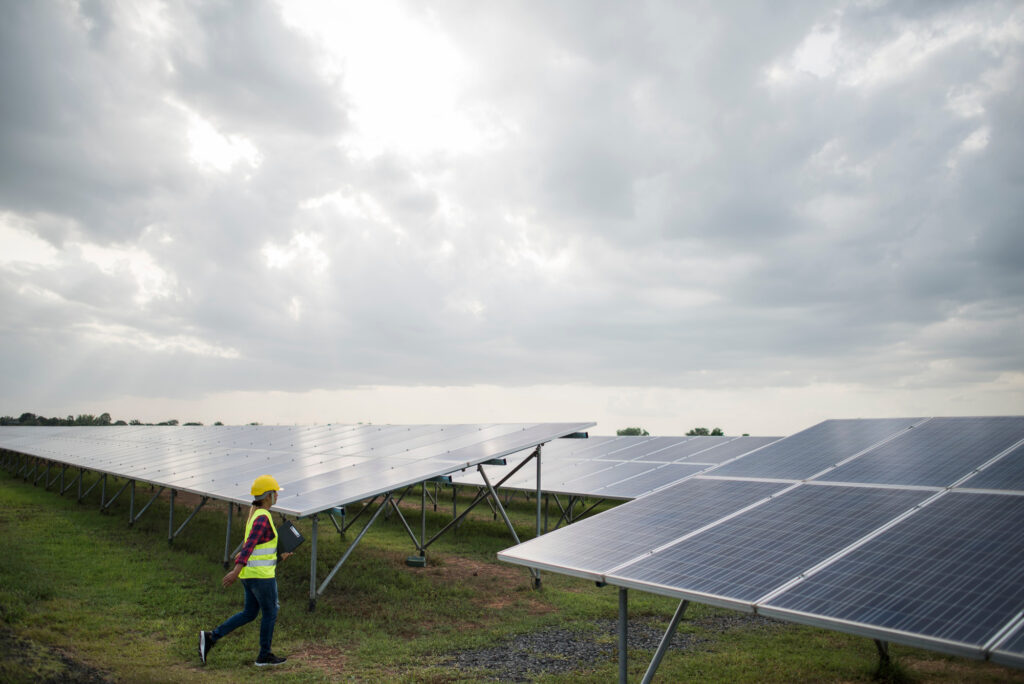
The panels act like a giant, permanent umbrella, cutting down on direct sun and wind exposure hitting the surface.
- Less heat means soil water evaporates way slower. This is massive.
- Temperatures beneath the panels can be 5°C to 9°C cooler than in open areas, protecting fragile root systems and the essential microbial populations from stress.
-
Erosion Control and Stability
Unlike traditional agriculture, where tilling leaves the soil exposed, the combination of solar panels on farms and ground cover offers superior protection. The panels and the deep, tangled root systems of the cover crops physically break the force of heavy rainfall and keep the topsoil anchored. No more wind erosion problems!
-
Nutrient Cycling and Biodiversity
That cooler, stable, moist environment is perfect it’s like a VIP lounge for all the beneficial fungi and bacteria that break down organic matter and keep the nutrient cycle moving. Plus, if you use the land for native flowering plants and pollinator strips (which any good farm solar panel company in Minnesota should be doing!), you instantly create vital habitat that actually helps boost crop yields on surrounding land.
Impact on Crop Yields
Does a farmer have to choose between growing food and generating clean energy? Absolutely not! The blending of the two, known as Agrivoltaics, is truly exciting.
-
Shade-Loving Success:
For many crops like certain types of lettuce, leafy greens, berries, or high-value forage crops—the partial shade is actually beneficial. It reduces water consumption and prevents harsh sun scald.
-
Water Efficiency Win:
Studies have proven that crops grown under these arrays need significantly less irrigation because the evaporation rate drops dramatically. This is a crucial saving in our changing climate.
-
The Calculated Trade-Off:
Those crops that require more sunlight every, (like a specific strain of corn or wheat) will see a yield dip directly under the shadow. But, farmers quickly offset that nominal loss with the stable, multi-decade lease revenue that solar provides money which doesn’t rely on volatile grain markets or the weather.
Environmental Impact of Solar Farms
The overall environmental impact of solar farms is overwhelmingly positive it’s clean energy, yes, but it’s also fantastic land stewardship.
-
Carbon Fighters:
When you stop tilling and plant native ground cover, the soil becomes a powerhouse, actively pulling carbon out of the atmosphere and storing it underground.
-
Habitat Creators:
This is huge. A well-managed solar site creates safe, undisturbed habitats for declining pollinator species, turning what was a monoculture into a biodiversity hotspot.
Dealing with Real Solar Panel Farms Problems
We can’t sweep the potential issues under the rug. Here are the things that go wrong and the easy solutions:
- Heavy construction equipment squishes the soil.
The Solution: Low-impact equipment, clearly marked access routes, and an absolute rule against building on wet ground.
- Planting cheap, non-native grasses that need constant chemical control.
The Solution: Insist on diverse, deep-rooted native species that outcompete weeds and require zero herbicides.
- If the site isn’t graded properly, water can run off quickly.
The Solution: Smart water management and permeable native covers that soak up the rain.
Minnesota Case Study: Sustainable Farm Solar Development
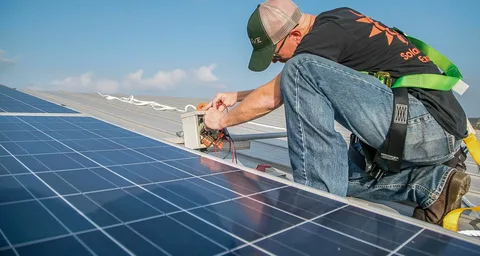
Minnesota isn’t just talking about it; they’re doing it. They’ve championed the integration of solar with agricultural stewardship, often requiring or heavily incentivizing the use of pollinator-friendly ground cover. This proactive approach proves that a responsible farm solar panel company in Minnesota can design a system where clean energy and a thriving local ecosystem work together.
How Farmers Can Coexist with Solar
You have control over this. Landowners absolutely don’t have to choose between getting a secure lease income and keeping their soil healthy and vital.
- Use small livestock, like sheep, to graze beneath the panels. It’s a natural, cost-effective way to manage vegetation without mowing or chemicals.
- Dedicate the spaces between rows to grow high-value, shade-tolerant specialty crops.
- Make sure your lease legally requires the planting of certified native seed mixes that benefit pollinators and your soil.
FAQs
– Do solar farms damage the soil?
Listen, the overwhelming evidence says no. With proper planning and the planting of native, deep-rooted vegetation, solar farms often lead to improved soil health by increasing moisture retention and organic content compared to leaving the ground exposed.
– Do solar panels reduce crop yields?
Only for crops that need intense, full sun. For many shade-tolerant crops like certain berries or leafy greens, yields can be stable or even increase because the shade reduces water stress. The financial stability from the solar lease also balances any minor yield reduction.
– Are solar farms bad for the environment?
No, absolutely not. The overall environmental impact of solar farms is positive! They provide clean energy and, when managed correctly, create vital pollinator habitats, reduce erosion, and help the soil actively sequester carbon.
– What are the main problems with solar panel farms?
The primary solar panel farms’ problems are entirely fixable. They stem from poor construction (soil compaction) or bad vegetation management (using chemicals). Both are avoided by demanding low-impact installation techniques and planting certified native cover.
– Can solar panels and farming coexist?
Yes, they can and they should! The practice is called Agrivoltaics. Farmers can successfully graze sheep, manage bees, or grow specialty crops between and under the rows, using the land for two highly productive purposes simultaneously.
Conclusion
The evidence is clear: the right question isn’t simply, Do solar farms damage the soil? But rather, “How can we design them to maximize every single ecological benefit they offer?” With careful planning, planting native ground cover, and insisting on low-impact construction, solar arrays are a way to transform agricultural land into a dual-purpose asset. They generate clean power, support crucial pollinators, and, most importantly, demonstrably improve the health of the soil we depend on. That’s a win-win for sustainability and the future of farming.
Ready to Secure Your Land’s Future?
If you’re a landowner or farmer, stop stressing about the soil and start planning for a stable income. Contact us at RAR Energy today to learn how a certified farm solar panel company in Minnesota can design a sustainable solar array that improves your land’s health while providing reliable, long-term revenue.