Skip to main content
So, you’re thinking about solar. Awesome! We all want to ditch those ridiculously high power bills and feel a bit better about our energy footprint, right? The good news is that installing solar panels for home use isn’t some complicated, futuristic dream anymore. It’s a smart investment that can essentially lock in your electricity costs for the next three decades. This is your easy-to-read buying guide for solar panels for the home, designed to walk you through the process just like a friend would.
Why Invest in Solar Panels for Your Home
Let’s be real, the initial cost can seem scary. But you’re not paying a bill; you’re buying an asset. Think of it this way:
-
You’re Trading Bills for Equity:
Once your system is installed, you’re making your own power. Instead of sending money to the utility company every month, you’re paying off a system that saves you money and adds value to your house. We’re talking about a typical payback period of 8–12 years. After that? Pure profit.
-
Increase in Value of Your Property:
Did you know that homes with owned solar systems often sell faster and for significantly more? It’s a major selling point, free electricity every month.
-
The Government Helps Out:
The Federal Solar Investment Tax Credit (ITC) is a huge incentive. Make sure you claim it; it’s a big chunk of the cost back on your tax return.
Key Components of a Home Solar System
A solar system is really simple. It has three main parts you need to care about:
-
The Panels:
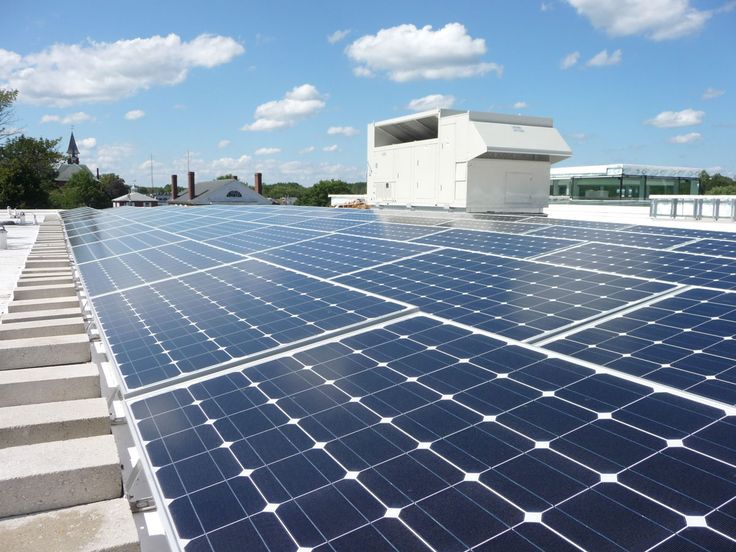
This is where the magic happens. Look for Monocrystalline panels. They’re the most efficient and look sleeker, perfect if your roof space is limited.
-
The Inverter:
This box takes the raw DC power from the panels and converts it into the AC power your appliances run on AC current. If one panel gets shaded (say, by a winter tree branch), a good inverter (like a microinverter) makes sure the rest of your panels keep working at full speed.
-
The Battery:
If you want full independence and backup power during a blackout, you need batteries. A solar panel kit with a battery and inverter lets you store that daytime power to use for free at night.
How to Buy Solar Panels (Step-by-Step Buying Guide)
This is the most important part of the How to Buy Solar Panels roadmap. Don’t skip these steps!
1. Assess Your Energy Usage
This is where we start. Pull out those old electric bills the last 12 months are perfect. You need to know your average monthly kilowatt-hour (kWh) usage. If you plan on getting an electric car or finishing that basement soon, let your installer know so they can size the system correctly for your future needs.
2 . Evaluate Your Roof and Sun Exposure
Is your roof mostly clear of shadows? Does it face south? If your roof is old (less than 10 years of life left), get it replaced before the solar installation. It’s much cheaper to do it once than to remove and reinstall the panels later!
3. Decide on System Size and Type
Don’t just guess your size; check your last 12 electricity bills to find your highest monthly consumption. This kilowatt-hour (kWh) peak tells you the minimum capacity you need. For reliable backup during outages, choose a Hybrid system that connects to the grid and uses batteries. You need power when the sun goes down, right?
4. Compare Panel Brands and Quotes
The installation company matters as much as the panels. A good, local installer who has been around for a while is going to be there when you need service ten years from now. You should compare at least three quotes side-by-side. Make sure they are quoting you the same system size (in kW) and the same quality equipment. Then decide which installer to choose. Ask for local references!
5. Check Incentives and Rebates
Check for local and federal government incentives and rebates. The most powerful incentive is usually Net Metering, which allows you to sell your surplus energy to the main utility provider by sending it back to the grid. This results in the lower or no monthly electricity bill. Make sure your installer should be certified to handle all this complex paperwork.
6. Choose the Right Solar Kit with Battery and Inverter
The inverter is the brain; get a high-quality, pure sine wave model (5kW-7kW for your needs). For backup, prioritize Lithium-Ion batteries over lead-acid; they are more expensive but last longer and need zero maintenance. Always use Tier-1 panels for maximum energy yield and a solid 25-year warranty.
7. Plan for Professional Installation
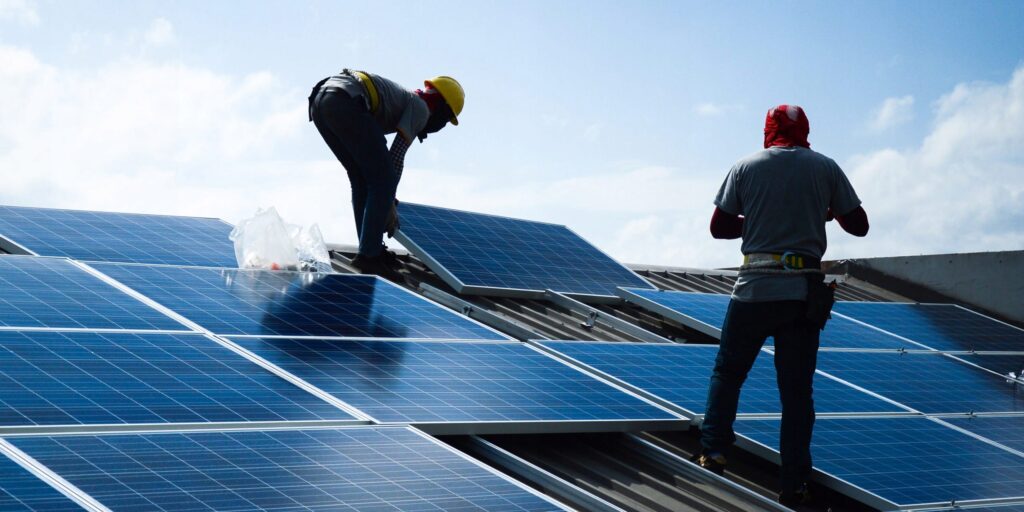
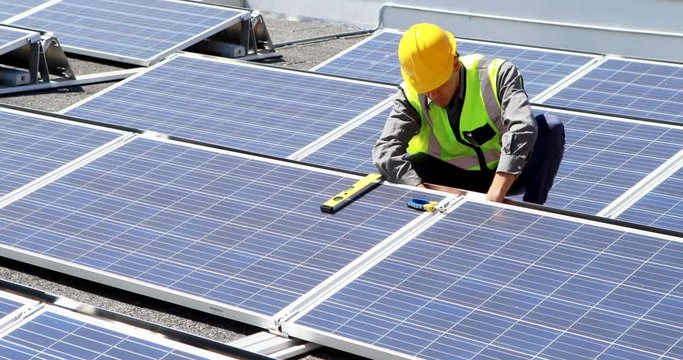
Solar installation is a precision job, not a DIY project. A professional firm ensures your roof’s structural integrity is safe, the panels are angled perfectly for maximum sun, and all electrical work is compliant. Their expertise is crucial for activating your system correctly and securing your Net Metering license and other federal and local incentives.
Warranty and Durability
A solar panel is a 25-year commitment, so the warranty matters a ton. Look for:
- Product Warranty (15–25 years): This covers the panel itself against defects.
- Performance Warranty (25 years): This guarantees the panel will still produce at least 80% to 92% of its original power after a quarter-century. This is a huge indicator of quality.
Common Questions (The FAQs)
Q1. How long do solar panels last?
Modern, high-quality panels are incredibly tough. They are designed with a “useful life” of about 25 to 30 years. Even after three decades, they don’t just quit; they simply start producing power at a slightly lower rate. Some premium brands even offer 40-year warranties now!
Q2. What maintenance is required?
It’s super low-maintenance, actually. Most of the time, rain does the job, especially if your roof has a tilt. If you live in a dusty area, a simple hose-down once a year might be needed. The main thing that needs long-term care is the inverter, which usually needs replacement around the 10-to-15-year mark.
Q3. How much does a solar panel system cost?
How much does a solar panel system cost? The cost varies widely based on your home’s size and energy needs (in the US, typically a 5 kW to 10 kW system). The average installed price is around $16,000 to $30,000 before the federal tax credit. Remember, focus on the net cost after incentives, not just the sticker price.
Q4. Can solar panels power my entire home?
Yes! If you size the system correctly based on your annual kWh usage, you can definitely offset 100% of your current electricity consumption. That’s the goal for maximum savings and true energy independence.
Wrapping Up Your Solar Journey
Hopefully, this Comprehensive Guide to Buying Solar Panels for your home made the whole process feel less daunting. The key takeaways are simple: know your usage, prioritize quality equipment over the absolute cheapest price, and work with a reputable local installer. That’s your recipe for decades of smooth, sunny, and cost-free power.
You’re already taking the most important step: getting informed! Would you like me to find the current details on the Federal Solar Investment Tax Credit (ITC) to help you calculate your potential savings right now? Call us at RAR Energy to book a free consultation with our sales agent to help you decide on your solar needs.