Skip to main content
As more companies prioritise sustainability, cost-efficiency, and long-term resilience, commercial solar panels energy is rapidly becoming a strategic investment for businesses of all sizes. With improved technology, strong federal incentives, and rising electricity rates, 2026 is shaping up to be one of the most profitable years for commercial solar adoption.
In this guide, we explore the 7 powerful benefits of solar panels for commercial buildings, including financial returns, operational improvements, long-term value, and strategic advantages. Whether you’re a business owner, facility manager, or sustainability professional, this comprehensive breakdown will help you evaluate if commercial solar is the right move for your organisation.
Understanding Commercial Solar Systems
Commercial solar systems are photovoltaic (PV) installations designed for business facilities, industrial sites, warehouses, retail centres, and other commercial buildings. These systems typically range from 10kW to 1MW+, depending on energy needs and available space.
How Commercial Solar Works
Commercial solar panels convert sunlight into electricity through the photovoltaic effect. A typical system includes:
- Solar panels (monocrystalline or polycrystalline)
- Inverters
- Racking and mounting systems
- Monitoring systems
- Optional energy storage (batteries)
Solar systems are tied to the grid, allowing businesses to reduce energy costs through net metering and potentially generate excess electricity.
Types of Commercial Solar Installations
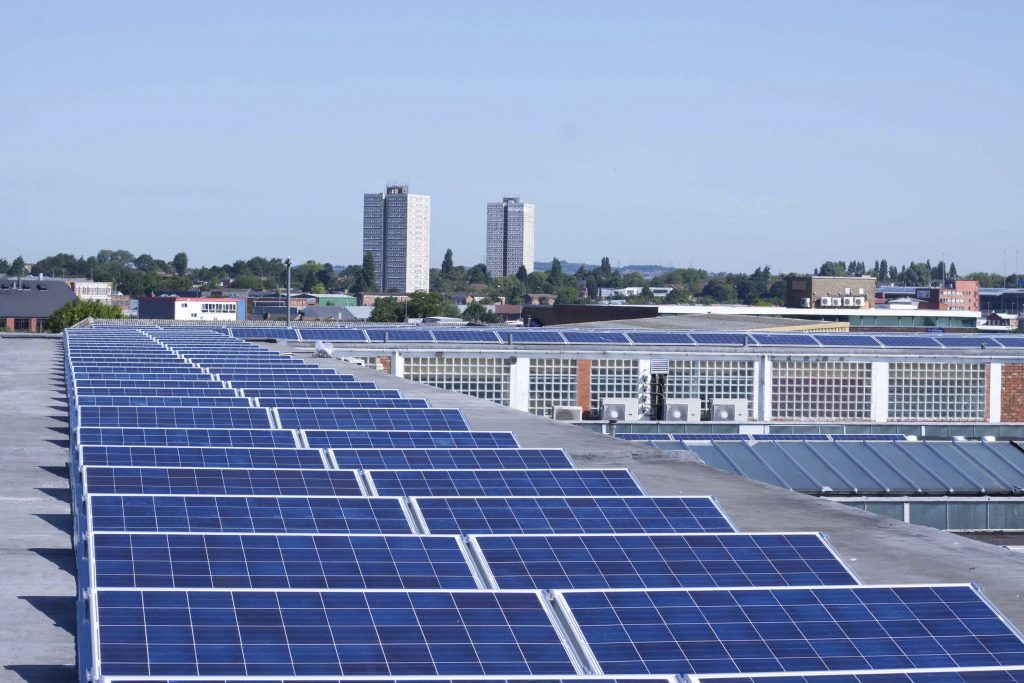
- Rooftop Solar – Ideal for businesses with large, flat roof space
- Ground-Mounted Solar – Great for companies with open land
- Solar Carports – Dual-purpose solution offering shade and clean energy
- Community Solar Participation – No onsite installation required
Key Financial Benefits of Commercial Solar
1. Significant Reduction in Operating Costs
Commercial solar can lower electricity expenses by up to 75%, depending on system size and usage patterns. According to industry data, businesses save around $9,000 annually on average after installation.
2. Attractive ROI and Payback Periods
With reduced installation costs and powerful incentives, most companies achieve a payback in 3–7 years, followed by decades of low-cost energy.
3. Powerful Tax Incentives and Financing Options
2026 Federal Solar Investment Tax Credit (ITC)
Eligible commercial solar projects can claim a 30% federal tax credit on total system costs. Bonus credits may apply for energy communities or domestic manufacturing.
MACRS Accelerated Depreciation Benefits
Businesses can depreciate solar systems over 5 years, significantly lowering taxable income. Combined with the ITC, depreciation can reduce system cost by 50–60%.
State and Local Incentives
Depending on your location, you may qualify for:
- State tax credits
- Production incentives (PBIs)
- Solar rebates
- Net metering credits
- Utility-specific incentives
Commercial Solar System Cost Table
| System Size | Pre-Incentive Cost | 30% ITC Savings | Net Cost After ITC | Net Cost After ITC + MACRS |
| 50 kW | $75,000–$125,000 | $22,500–$37,500 | $52,500–$87,500 | $30,000–$50,000 |
| 100 kW | $150,000–$250,000 | $45,000–$75,000 | $105,000–$175,000 | $60,000–$100,000 |
| 250 kW | $375,000–$625,000 | $112,500–$187,500 | $262,500–$437,500 | $150,000–$260,000 |
| 500 kW | $750,000–$1.25M | $225,000–$375,000 | $525,000–$875,000 | $300,000–$520,000 |
Strategic Business Benefits Beyond Energy Savings
4. Enhanced Property Value
Studies show that commercial properties with solar installations experience an average 4–6% increase in value, making solar a strategic investment in real estate appreciation.
5. Improved Brand Image and Customer Attraction
Consumers increasingly prefer sustainable brands. Installing solar signals environmental responsibility and can attract eco-conscious customers, partners, and investors.
6. Increased Employee Satisfaction and Retention
A sustainable workplace contributes to greater employee pride, satisfaction, and retention, especially among younger, purpose-driven talent pools.
Operational and Infrastructure Benefits
7. Energy Independence and Resilience
Solar protects businesses from:
- Power outages
- Energy price volatility
- Grid instability
Energy Storage Options for Commercial Solar
Battery Storage Solutions
- Lithium-ion (most common)
- LFP (Lithium Iron Phosphate)
- Flow batteries (for longer-duration storage)
Additional Storage Technologies
- Thermal storage
- Mechanical storage (e.g., compressed air)
- Hybrid storage solutions
Choosing the Right Commercial Solar Approach
Ownership vs. PPA vs. Lease Options
| Option | Upfront Cost | Tax Benefits | Maintenance | Best For |
| Direct Purchase | High | Yes (ITC, MACRS) | Business-owned | Long-term ROI |
| PPA | $0 Upfront | No | Provider | Businesses wanting immediate savings |
| Lease | Low/None | No | Provider | Predictable monthly costs |
Solar for Leased Commercial Buildings
Options include landlord partnerships, green leases, PPAs, and off-site solar programs.
Community Solar Alternatives
Businesses unable to install onsite solar can subscribe to community solar farms and still save 10–20% on energy bills.
Commercial Solar Implementation Process
Site Assessment and System Design
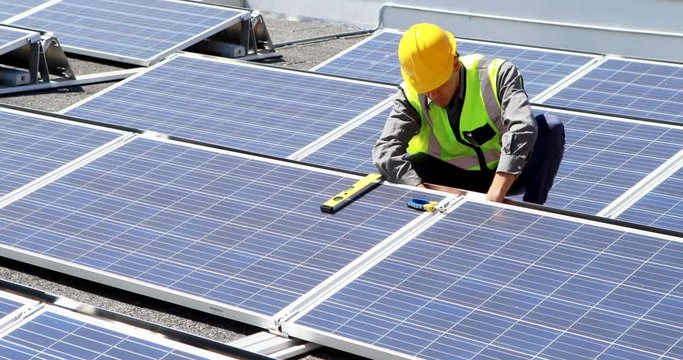
Includes evaluating roof condition, shading, energy use, and structural load.
Permitting and Regulatory Considerations
Businesses may require:
- Local permitting
- Utility interconnection approval
- Electrical inspections
Installation Timeline and Expectations
Most commercial projects take 2–6 months from assessment to activation.
Long-Term Considerations for Commercial Solar
Maintenance Requirements and Costs
Commercial solar requires minimal maintenance, typically:
- Cleaning 1–2 times yearly
- Annual system inspection
Costs are low compared to traditional power equipment.
System Lifespan and Warranties
- Panel lifespan: 25–30 years
- Production warranties: 80% output at 25 years
- Inverter lifespan: 10–15 years
Monitoring Performance and Maximising Returns
Modern systems use real-time monitoring platforms to track:
- Power output
- System health
- Financial savings
Commercial Solar FAQs
-
What types of commercial buildings are best suited for solar?
Ideal candidates include:
- Warehouses
- Manufacturing plants
- Retail stores
- Office buildings
- Schools
- Agricultural operations
-
Do I need to replace my roof before installing solar?
If your roof has less than 5–10 years of life left, replacement may be recommended.
-
What is the typical maintenance required for commercial solar?
Annual inspections and periodic cleaning.
-
Can nonprofits benefit from commercial solar?
Yes, through PPAs, grants, and new IRS Direct Pay incentives.
-
How do I calculate ROI for a commercial solar system?
Key factors include:
- System cost
- Incentives
- Annual energy savings
- Electricity rate escalation
- Financing method
Conclusion
Commercial solar is no longer simply an environmental initiative; it’s a proven financial and strategic advantage that strengthens businesses for the long term. With rising energy prices and powerful incentives available through 2026, now is the ideal time for companies to reduce operating costs, improve property value, and embrace energy independence.
Take control of your energy costs today. Contact RARenergy for a free commercial solar assessment and start saving immediately.